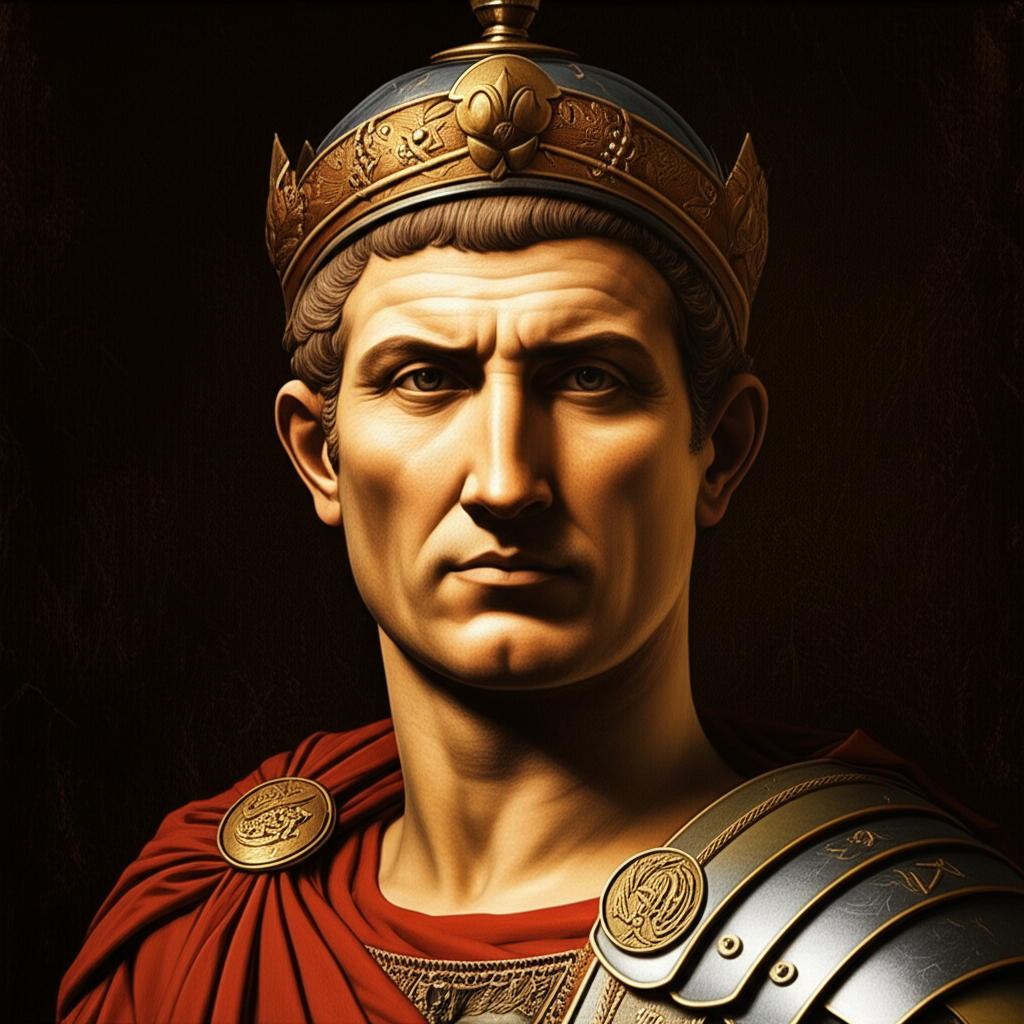
The tumultuous Year of the Six Emperors in 238 AD was not merely a succession crisis, but a stark illustration of the Roman state’s fractured power structure. The initial catalyst was a tax-related revolt in Africa against Emperor Maximinus Thrax, an event the Senate in Rome attempted to strategically leverage. By recognizing the elderly governor Gordian I and his son Gordian II as co-emperors, the Senate sought to reclaim its historical prerogative in selecting the ruler, challenging the dominance of the provincial armies.
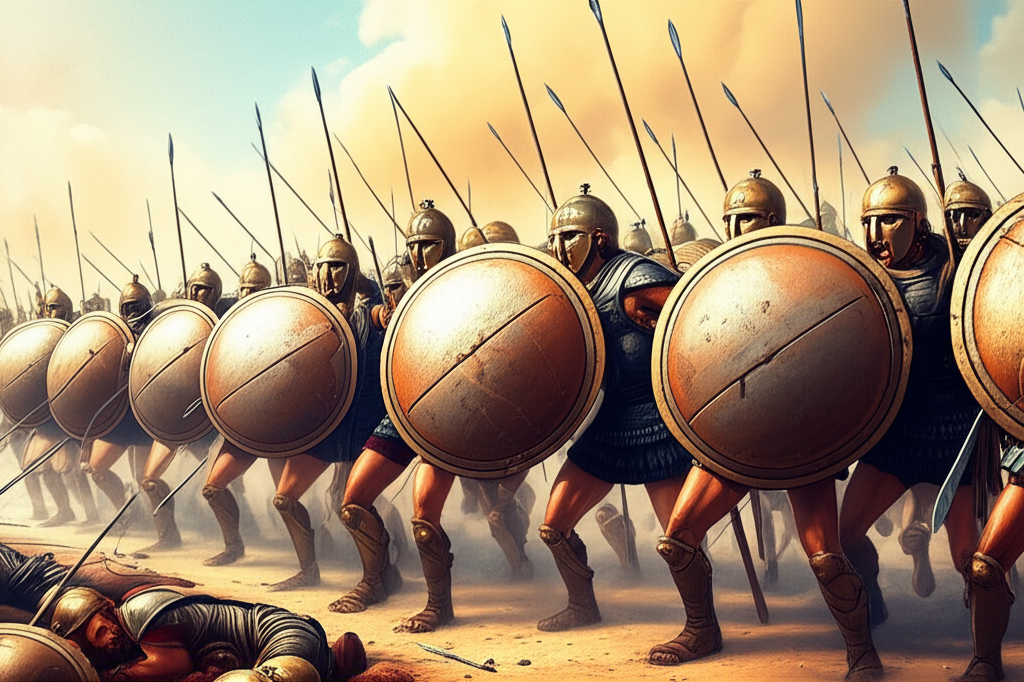
This senatorial strategy, however, proved fatally flawed. The rapid defeat and death of the Gordians at the hands of legions loyal to Maximinus forced the Senate’s hand. In a desperate act of self-preservation, they appointed two of their own, Pupienus and Balbinus, to command the defense of Italy. This maneuver was an explicit attempt to subordinate military authority to senatorial decree, a principle the army had long since rejected.
The ultimate failure of this initiative was sealed not on a distant battlefield but within Rome itself. The Praetorian Guard, resentful of their diminished influence and distrustful of the new emperors, assassinated both men. Their subsequent elevation of the young Gordian III was a pragmatic concession to popular demand and a reassertion of their own role as kingmakers. The events of 238 AD thus concluded with the decisive erosion of senatorial authority, confirming that imperial power rested not in the Curia, but with the legions and the Guard who controlled them.