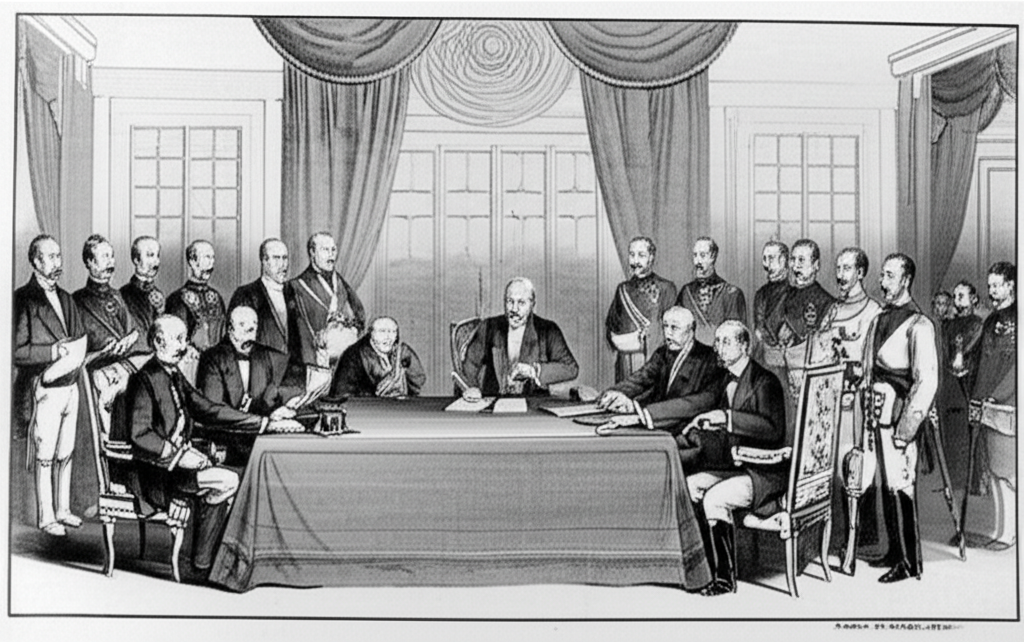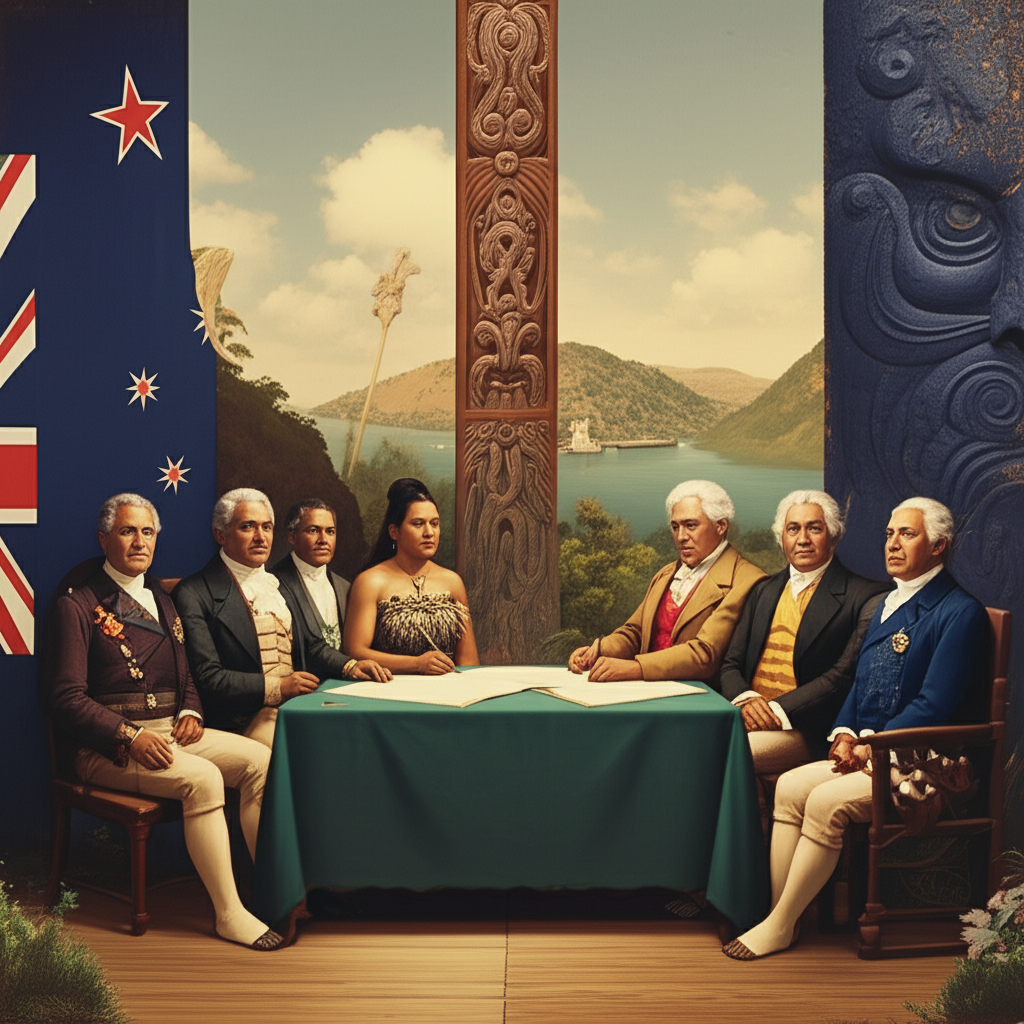
The signing of the Treaty of Waitangi in 1840 represented a calculated diplomatic maneuver rather than a simple transfer of power. For the British Crown, the primary objective was the orderly annexation of New Zealand to preempt French colonial ambitions and regulate uncontrolled European commercial expansion. Conversely, the indigenous Rangatira (chiefs) approached the negotiations as a strategic alliance. They sought to preserve their established authority while securing valuable trade relations and imperial protection.
The enduring historical complexities of the nation’s founding stemmed directly from the deliberate divergence between the two texts of the document. The English version demanded a complete ceding of sovereignty. However, the translated version, Te Tiriti, promised the chiefs absolute paramountcy, or tino rangatiratanga, over their lands and domains. In this indigenous text, the Crown was granted only a secondary administrative function, defined as kāwanatanga.
In the subsequent decades, colonial administrators systematically exploited these linguistic disparities to consolidate territorial and political control. The British optimized their legislative and military apparatus to bypass the negotiated partnership of 1840, transitioning rapidly into an era of aggressive land alienation. This strategic shift marginalized indigenous leadership and provoked protracted conflict. Consequently, the foundational accord did not immediately unify the territory but rather embedded profound socio-legal tensions into the structural architecture of the developing state.