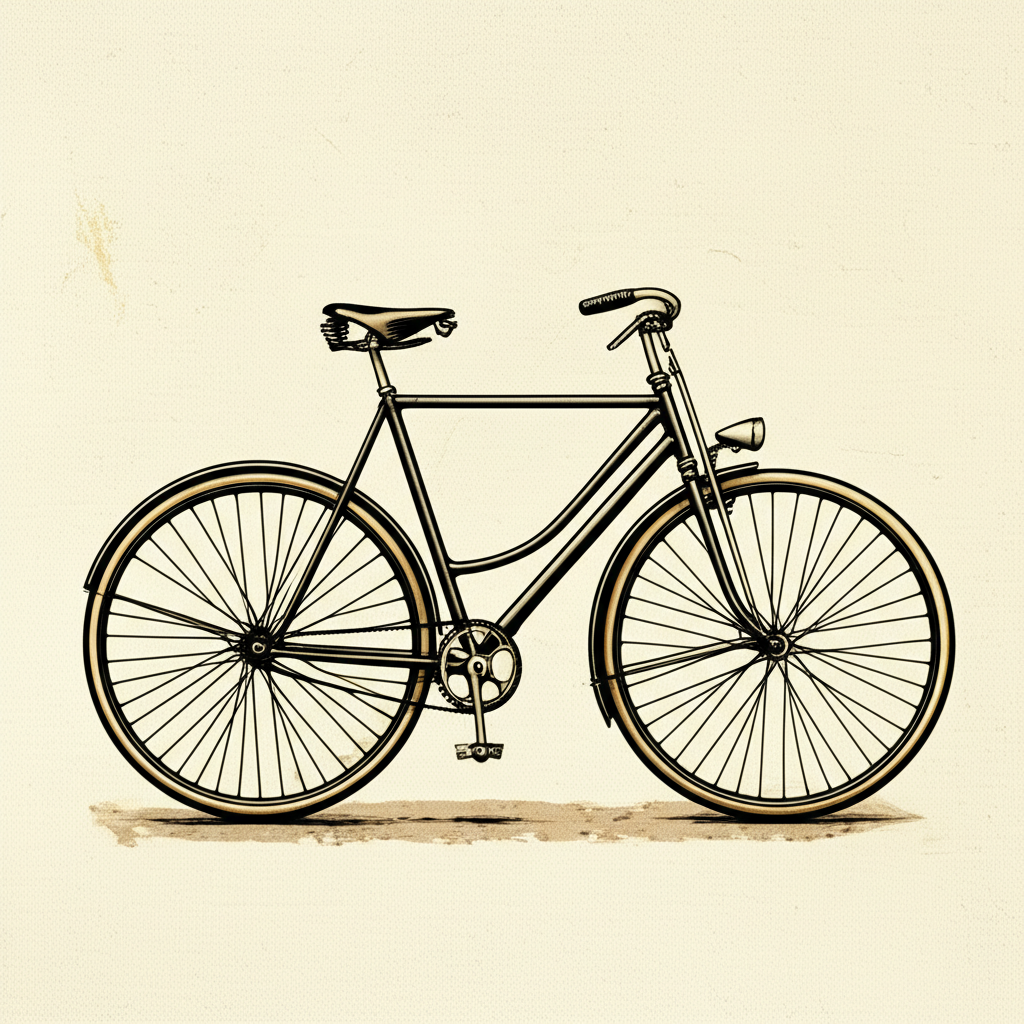
The advent of the Safety Bicycle in the late 19th century represented far more than a mere engineering refinement over the precarious high-wheel models. Its design, featuring two wheels of equal size and a chain-driven rear wheel, dramatically lowered the center of gravity, making it a stable and accessible mode of transport for a much broader segment of the population. This democratization of personal mobility had profound and unforeseen social consequences.
For women, in particular, the bicycle became an instrument of liberation. It offered an unprecedented degree of freedom from the strictures of chaperonage, allowing for independent travel to work, social gatherings, and political meetings. This newfound autonomy directly challenged prevailing Victorian conventions that confined women to the domestic sphere. The physical act of cycling also necessitated practical dress reform, accelerating the decline of restrictive corsets and heavy skirts in favor of more rational attire like bloomers.
Ultimately, the Safety Bicycle was not simply a machine for transportation; it was a vehicle for social and political change. By providing women with physical mobility and contributing to the reform of their clothing, it became a powerful symbol and tool in the broader movement for female emancipation. It equipped a generation with the independence and confidence to push for greater rights in a rapidly changing world.