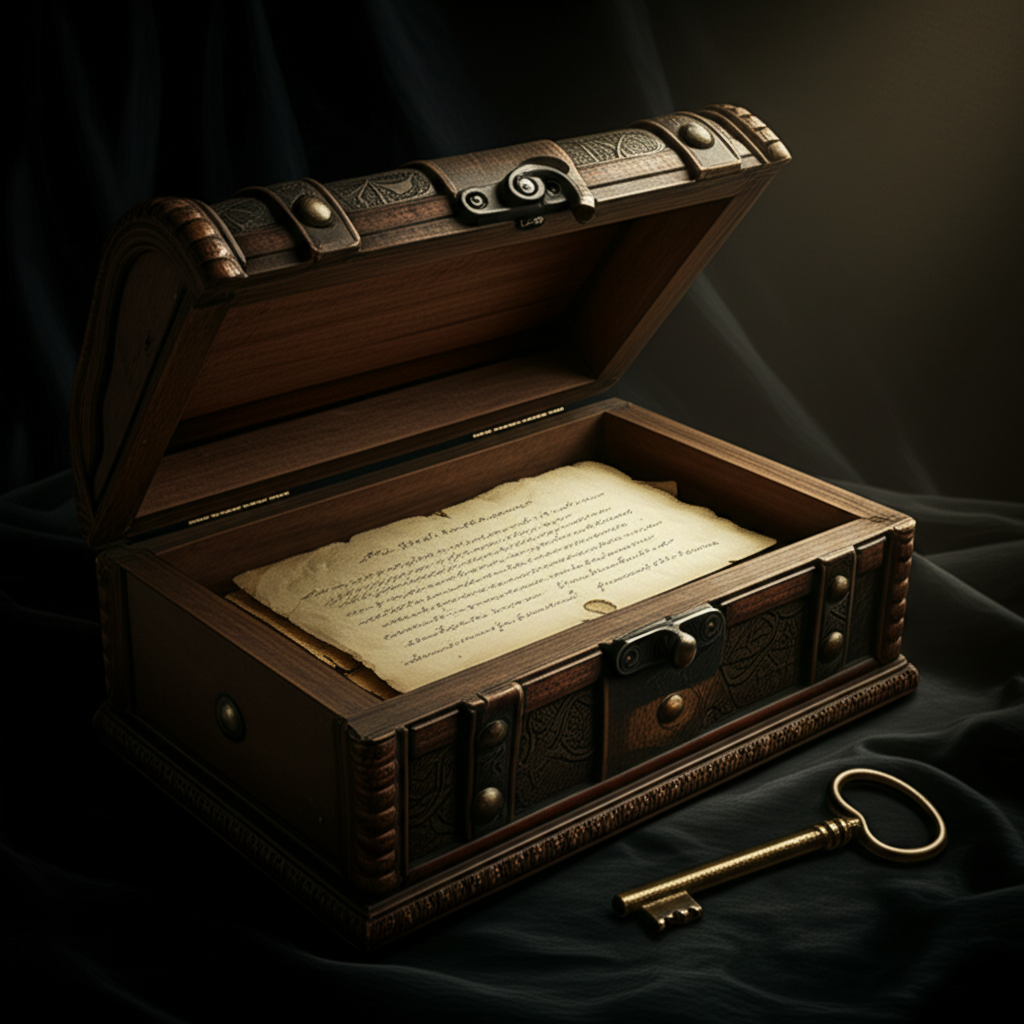
The discovery of the Casket Letters in 1567 proved to be the pivotal moment in the political undoing of Mary, Queen of Scots. Allegedly found in a silver casket belonging to James Hepburn, 4th Earl of Bothwell, this collection of sonnets and letters appeared to implicate Mary directly in the conspiracy to murder her second husband, Lord Darnley, and seemed to confirm her adulterous passion for Lord Bothwell.
The Scottish lords who opposed Mary, led by her half-brother the Earl of Moray, immediately recognized the strategic value of the documents. They wielded the letters as irrefutable evidence to justify her forced abdication and subsequent imprisonment. The contents, whether genuine or skillfully forged, painted a damning portrait of a monarch driven by passion to commit regicide, a narrative that served to erode her moral authority and consolidate support against her rule.
The authenticity of the letters became the central point of contention during the inquiry held at York and later Westminster. Mary’s defenders argued they were forgeries, while her accusers insisted on their legitimacy. The originals were never subjected to a definitive, impartial examination and were eventually lost to history, leaving the matter unresolved. This ambiguity placed Queen Elizabeth I in a delicate position; while the letters provided a convenient pretext to hold her rival captive, officially validating them could set a dangerous precedent for deposing an anointed monarch.
Ultimately, the veracity of the Casket Letters was secondary to their political impact. They provided the necessary justification for Mary’s enemies, irrevocably tainted her reputation, and solidified the opposition against her in both Scotland and England. The scandal ensured that she would remain a prisoner, her claim to the English throne effectively neutralized for nearly two decades.