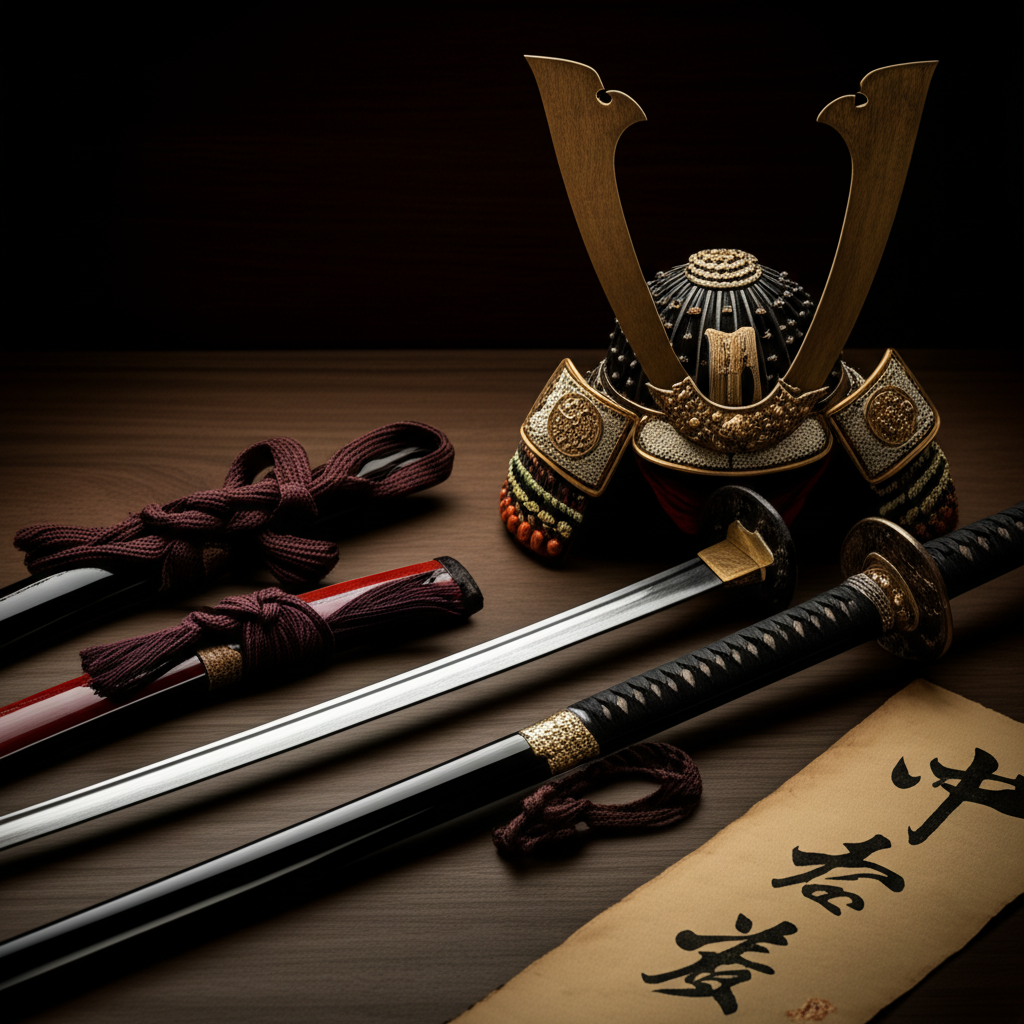
The concept of Bushidō (武士道), or the “way of the warrior,” represents a complex and evolving ethical framework rather than a static, ancient doctrine. For much of Japan’s feudal history, the principles governing samurai conduct were largely uncodified, transmitted through clan traditions and historical precedent. These early martial virtues emphasized battlefield prowess, absolute loyalty to one’s lord, and an unflinching acceptance of death, forming a pragmatic code essential for survival and honor in an era of incessant conflict.
A significant formalization occurred during the profound peace of the Tokugawa shogunate (1603–1868). With warfare largely absent, the samurai class transitioned from warriors to administrators. To legitimize their continued social preeminence, intellectuals and strategists like Yamaga Sokō began to articulate Bushidō as a moral and philosophical system. This period saw the integration of Neo-Confucian ideals, emphasizing virtues such as righteousness (gi), courage (yūki), benevolence (jin), and unwavering loyalty (chūgi). The code became a mechanism for social control and self-discipline within a ruling class whose primary martial purpose had become obsolete.
It was not until the Meiji Restoration and the publication of Nitobe Inazō’s influential text, Bushido: The Soul of Japan, in 1899 that the concept was fully synthesized for a global audience. This interpretation, however, was a romanticized construct that often conflated disparate historical ideals into a single philosophy. Consequently, the modern understanding of Bushidō is largely a product of this later period—a retrospective idealization of a multifaceted and historically contingent warrior ethos.