
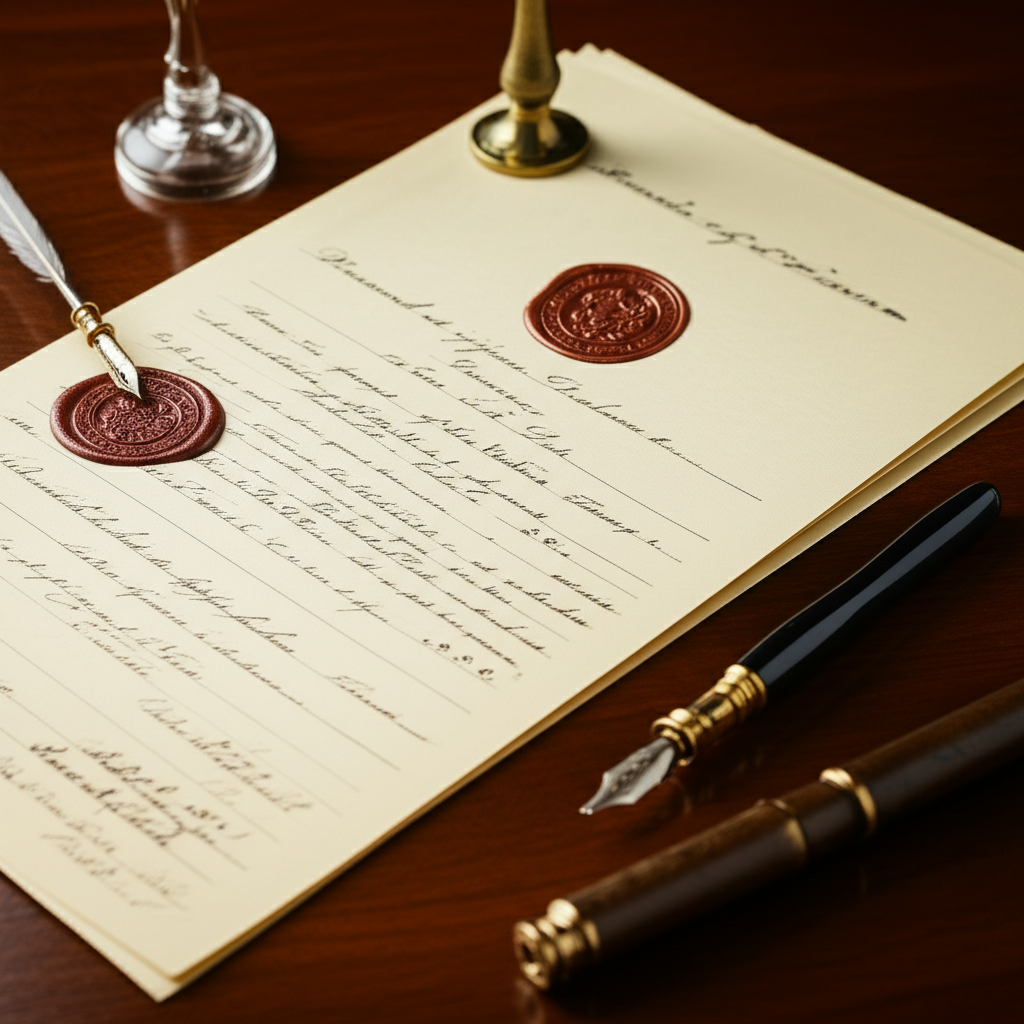
The Diplomatic Intervention of 1905
The intervention of President Theodore Roosevelt in the cessation of hostilities between the Russian Empire and the Empire of Japan marked a definitive shift in the trajectory of global diplomacy. By the summer of 1905, the Russo-Japanese War had effectively exhausted the military and financial reserves of both combatants, creating a volatile stalemate that threatened long-term stability in East Asia. Roosevelt, recognizing that a total victory for either side would destabilize the balance of power in the Pacific, orchestrated a diplomatic summit at the Portsmouth Naval Shipyard to mediate a resolution.
Strategic Mediation and Geopolitics
Roosevelt’s strategy during the negotiations for the Treaty of Portsmouth was defined by calculated neutrality and aggressive mediation. His primary objective was to preserve the Open Door Policy, ensuring that neither St. Petersburg nor Tokyo achieved hegemony over Manchuria or China. Through the utilization of back-channel communications and the leverage of American economic influence, the President compelled the belligerents to compromise on non-negotiable terms.
He persuaded the Japanese delegation to withdraw their demands for crippling financial indemnities.
He pressured the Russian envoys to cede territorial rights in Korea and the southern half of Sakhalin Island.
This intricate balancing act demonstrated a sophisticated application of realpolitik, positioning the United States not merely as a passive observer, but as a primary arbiter of international affairs.
Legacy of the Accord
The ratification of the accord signaled the emergence of Japan as the first modern non-Western great power, while simultaneously checking Russian expansionism in the East. While Roosevelt was awarded the Nobel Peace Prize for his role in masterminding this delicate peace, the deeper significance of the event lay in the geopolitical realignment of the twentieth century. The treaty effectively formalized the end of unchallenged European dominance in the Pacific theater and established a fragile equilibrium that would define American foreign policy in the region for the decades that followed.


