The year 1816 is recorded in historical annals as the Year Without a Summer, a period of severe climatic disruption with profound global consequences. This anomaly was not a random meteorological event but the direct result of a cataclysmic geological cataclysm that occurred the previous year, demonstrating the fragility of global agricultural systems.
In April 1815, Mount Tambora in the Dutch East Indies erupted with unprecedented force, an event that remains the most powerful volcanic eruption in recorded history. The explosion ejected a colossal volume of ash and gas into the atmosphere. Critically, vast quantities of sulfur dioxide were propelled high into the stratosphere, where they mixed with water vapor to form a persistent aerosol veil.
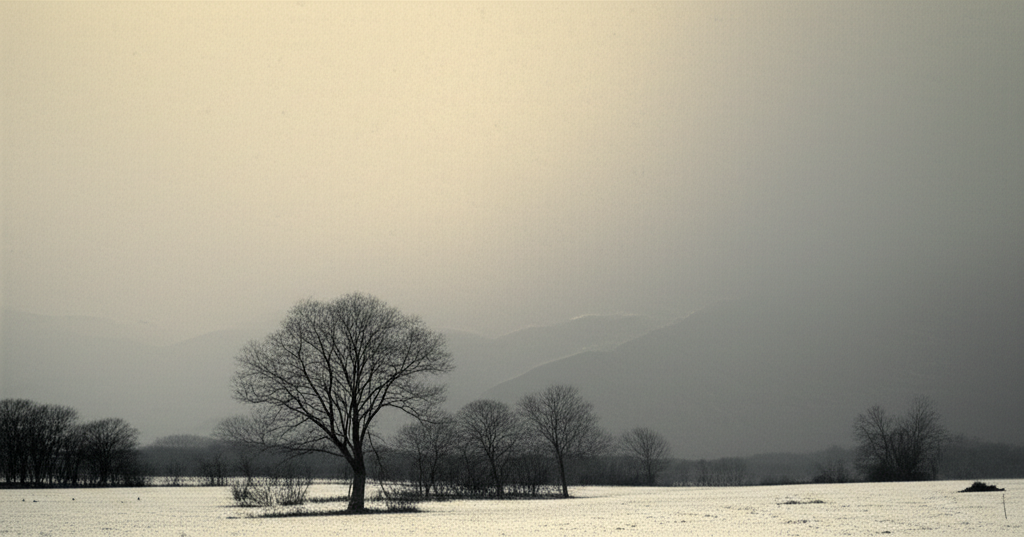
This stratospheric haze gradually encircled the globe, reflecting a significant amount of solar radiation back into space. The resulting drop in global temperatures was catastrophic. Throughout the Northern Hemisphere, the summer of 1816 was marked by unseasonal frosts in North America, relentless rains in Europe, and shortened growing seasons across Asia.
The immediate consequence was widespread agricultural failure. Crop yields collapsed, leading to the last great subsistence crisis in the Western world. Famine became rampant, food prices soared, and civil unrest followed as desperate populations faced starvation. The climatic shock of 1816 thus serves as a stark historical testament to the far-reaching impact of a single volcanic event on global climate and human civilization.