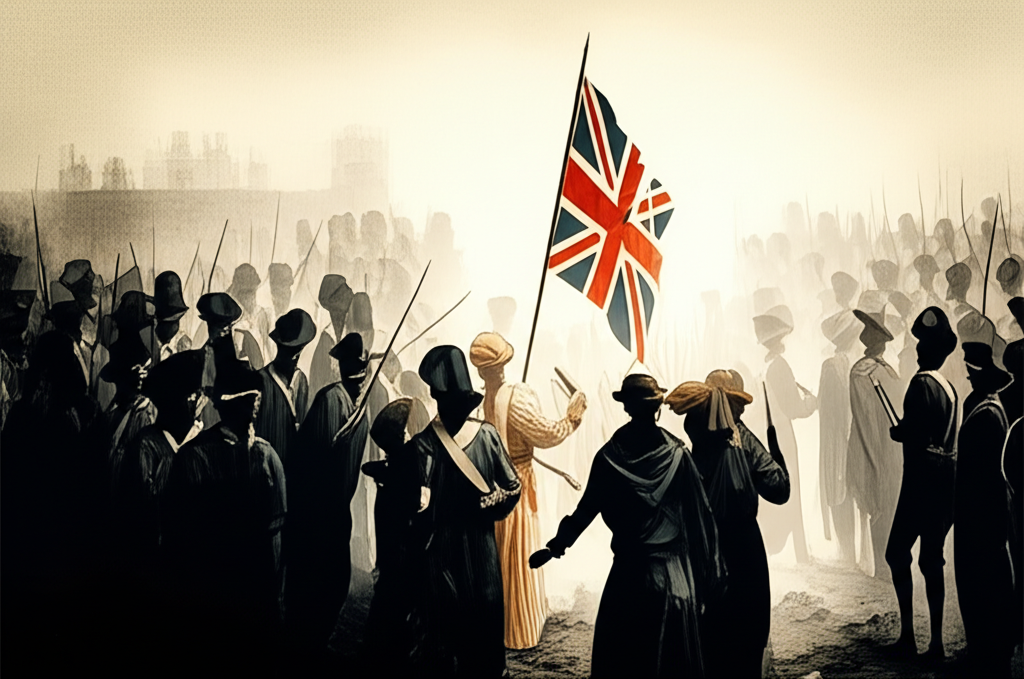
On August 16, 1819, the gathering at St. Peter’s Fields represented a critical juncture in British sociopolitical history. Tens of thousands convened not for immediate insurrection, but to articulate a disciplined demand for parliamentary representation. However, the local magistracy viewed this organized mobilization as an existential threat to the established order. The subsequent deployment of the Manchester Yeomanry transformed a peaceful assembly into a chaotic slaughter, later grimly satirized as “Peterloo.” This event stripped away the veneer of paternalistic governance, revealing the raw coercion required to maintain the status quo during the severe economic depression following the Napoleonic Wars.
The state’s response to the tragedy was not conciliation, but codified repression. Lord Liverpool’s administration enacted the Six Acts, a legislative battery designed to suffocate radicalism through systemic restriction. By strictly limiting public meetings, expanding the legal definition of seditious libel, and imposing heavy taxes on the press, the government attempted to dismantle the organizational infrastructure of the working class. This strategy was a calculated effort to silence orators like Henry Hunt and prevent the dissemination of reformist literature, effectively criminalizing political dissent under the guise of public safety.
Ultimately, the strategy of absolute suppression proved historically counterproductive. While the Six Acts achieved a temporary silence, the bloodshed at Peterloo galvanized the reform movement, creating a shared cause that bridged the divide between middle-class moderates and working-class radicals. The massacre delegitimized the aristocracy’s resistance to change, rendering the eventual passage of the Great Reform Act of 1832 a political necessity to avert revolution.