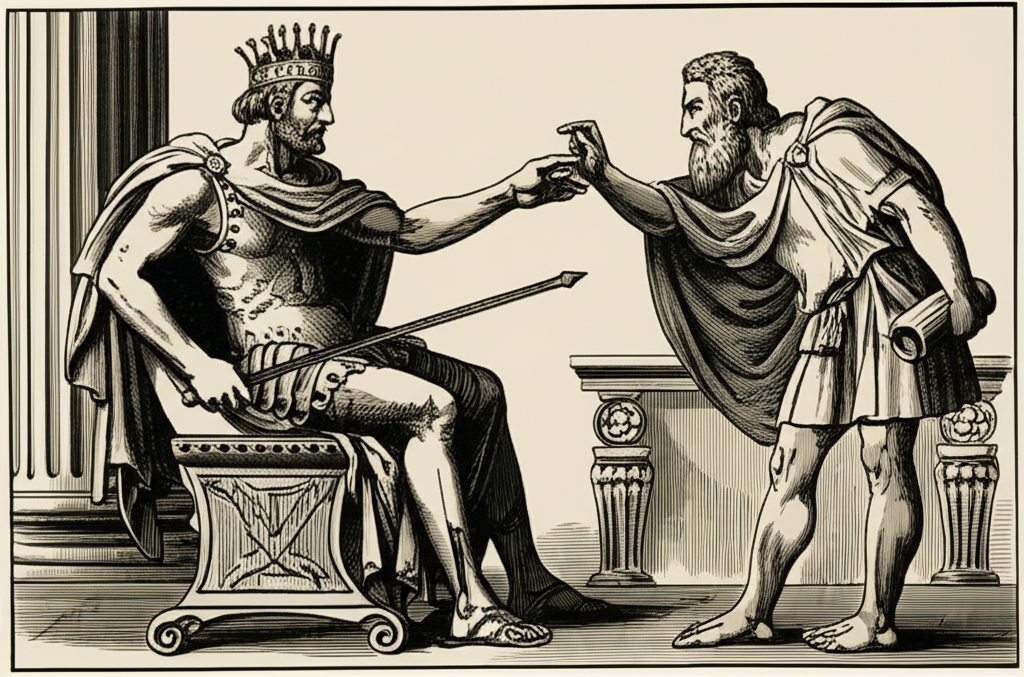
The office of the Pontifex Maximus stood not merely as the apex of the Collegium Pontificum, but as a pivotal lever within the machinery of the Roman constitution. While ostensibly a religious stewardship dedicated to maintaining the pax deorum, the role functioned essentially as a strategic asset for political dominance. The holder possessed the supreme authority to interpret divine law, placing a potent check upon the actions of magistrates and the decisions of the Senate.
Of particular tactical value was the power of intercalation. By controlling the insertion of intercalary months into the pre-Julian calendar, the Pontifex Maximus could manipulate the length of a political year. This authority allowed astute politicians to extend the terms of allies or curtail the tenure of adversaries, thereby optimizing the electoral landscape to their faction’s advantage. Furthermore, the custody of the fasti—the distinction between days permissible for legal and political business and those that were not—granted the high priest the ability to stall legislative momentum through religious technicalities.
In the late Republic, the position transformed from a post for elder statesmen into a fiercely contested prize for rising ambitious leaders, most notably Julius Caesar. His aggressive pursuit of the office demonstrated that religious authority was no longer a matter of piety, but a requisite component of supreme power. Ultimately, the consolidation of this title by Augustus signified the end of Republican checks and balances, permanently fusing the highest religious dignity with imperial authority to ensure total control over the state.