
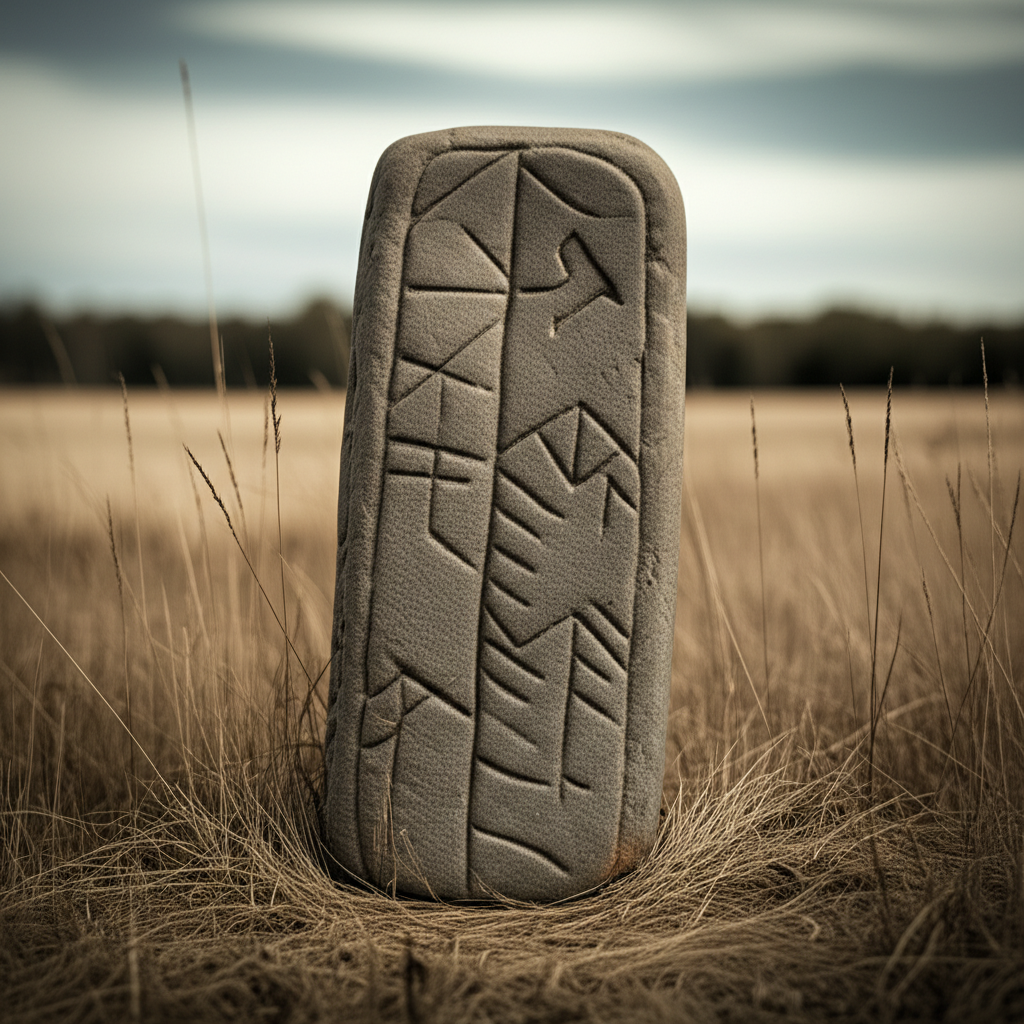
The discovery of the Kensington Runestone in 1898 presented a profound challenge to the established timeline of European exploration in North America. Unearthed in rural Minnesota by a Swedish immigrant, the inscribed stone purportedly documented a Norse expedition in the year 1362, suggesting a Scandinavian presence deep within the continent centuries before the voyages of Columbus.
The central debate over the artifact’s authenticity has long centered on linguistic analysis. Philologists almost immediately questioned the runic script and vocabulary, which diverged from known 14th-century Norse writing. The inscription contained characters and grammatical structures that appeared more consistent with 19th-century Scandinavian dialects and runic revivals. This led the majority of scholars to conclude that the stone was a modern forgery, a product of local immigrant culture rather than a genuine medieval relic.
Despite widespread academic dismissal, the Runestone’s narrative was sustained by alternative lines of inquiry. Proponents later introduced geological evidence, citing studies on the weathering of the inscription’s grooves as proof of significant age. This counter-argument fueled continued debate, ensuring the artifact’s status as a persistent historical enigma. The Kensington Runestone endures not as a settled fact, but as a compelling case study in the rigorous and often contentious process of authenticating historical evidence.