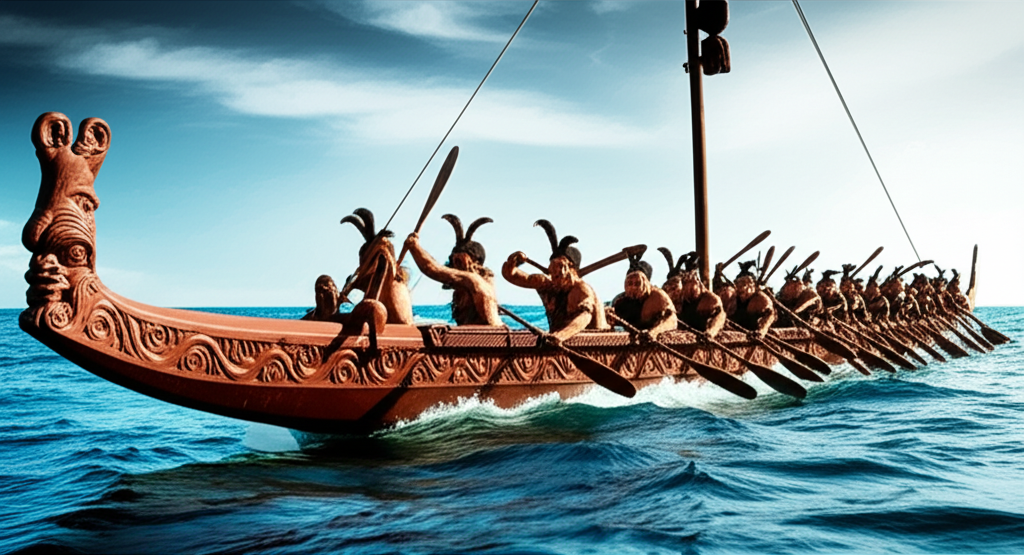
The excavation of the Dover Bronze Age Boat in 1992 marked a definitive turning point in the understanding of prehistoric maritime logistics. Uncovered deep within the sediment of Kent, this vessel offered irrefutable proof that communities during the mid-Bronze Age possessed the technical acumen to navigate open waters systematically. The find dispelled notions that seafaring was limited to coastal hugging or crude rafts, revealing instead a deliberate approach to naval architecture designed for the rigors of the English Channel.
The engineering behind the vessel utilized a complex sewn-plank technique, wherein massive oak timbers were stitched together using twisted yew withies. This construction method offered distinct strategic advantages:
The lashings provided the hull with necessary flexibility to absorb wave impact without fracturing.
Pads of moss and beeswax acted as caulking, ensuring watertight integrity.
* Integrated cleats and wedges locked the structure in place, obviating the need for metal fasteners.
Beyond its construction, the boat signified a robust economic strategy. It served as a critical conduit for cross-channel trade, enabling the transport of heavy cargoes such as livestock and bronze ingots. The mobilization of skilled labor required to build such a craft indicated a society deeply invested in maintaining long-distance exchange networks. Consequently, the Dover boat stood not merely as an artifact, but as a testament to a highly interconnected European Bronze Age economy, where the mastery of the sea was essential for political and material advancement.