The year 1868 marked a definitive rupture in Japanese governance, characterized by the civil conflict known as the Boshin War. This struggle was not merely a dispute over political succession but a strategic collision between entrenched feudalism and rapid modernization. The Tokugawa Shogunate, having maintained hegemony for over two centuries, found its decentralized military structure ill-equipped to counter the cohesive urgency of the Imperial faction.
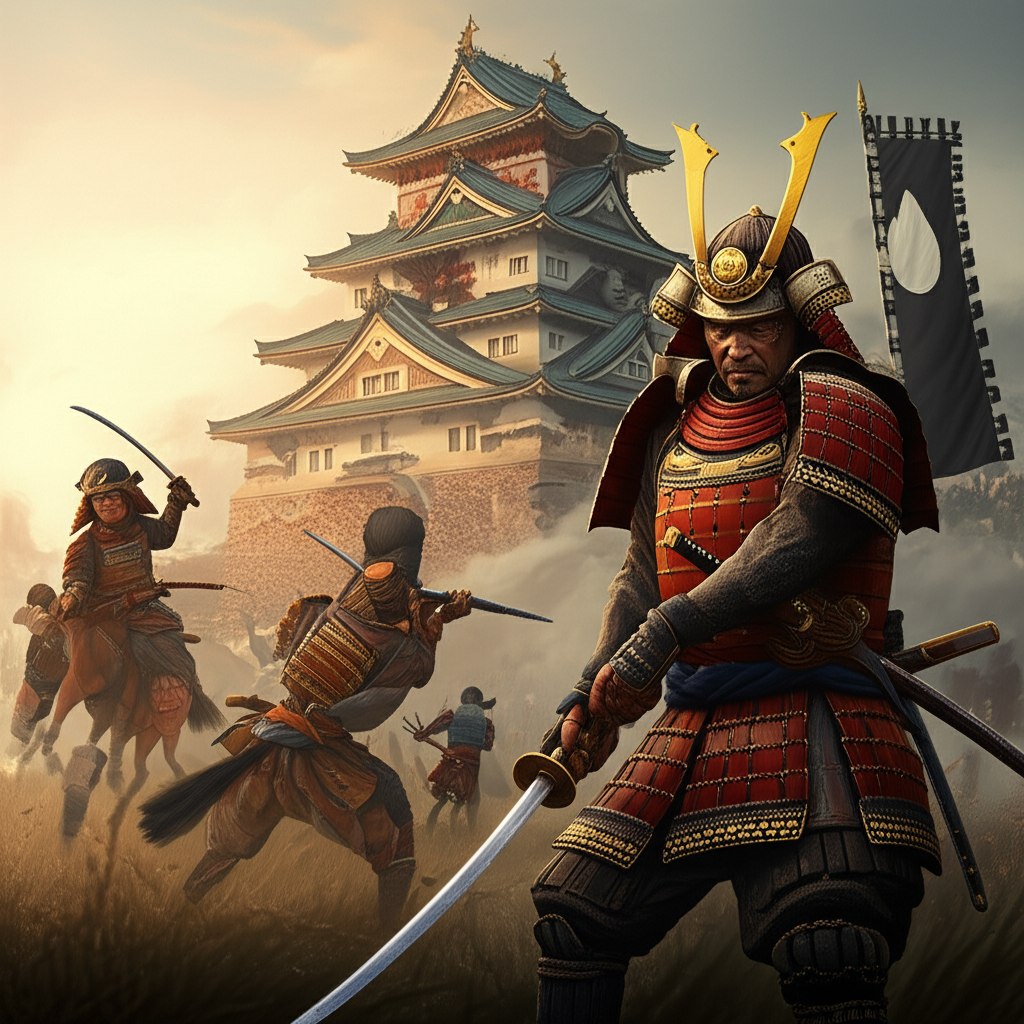
Strategic superiority lay with the Satcho Alliance—a coalition of the Satsuma and Choshu domains. While the Shogunate possessed numerical advantages, their forces remained bound by antiquated samurai traditions and fractured loyalties. Conversely, the Imperial forces prioritized technological optimization, effectively integrating Western weaponry and organization.
The pivotal Battle of Toba-Fushimi demonstrated this disparity; modern artillery and disciplined infantry maneuvers rendered traditional swordsmanship and sheer morale obsolete. The Imperial faction successfully branded the Shogun as an enemy of the court, a political maneuver that decimated the morale of the Tokugawa supporters.
The Shogun, Tokugawa Yoshinobu, recognized the shifting tides and opted for a strategic capitulation rather than prolonged attrition. The bloodless surrender of Edo Castle exemplified a calculated decision to preserve national integrity over personal power. This conflict concluded the feudal era, consolidating authority under Emperor Meiji and establishing a centralized state capable of industrial expansion. The fall of the Shogunate was less a collapse of will than a failure to adapt to the strategic imperatives of a modernizing world.