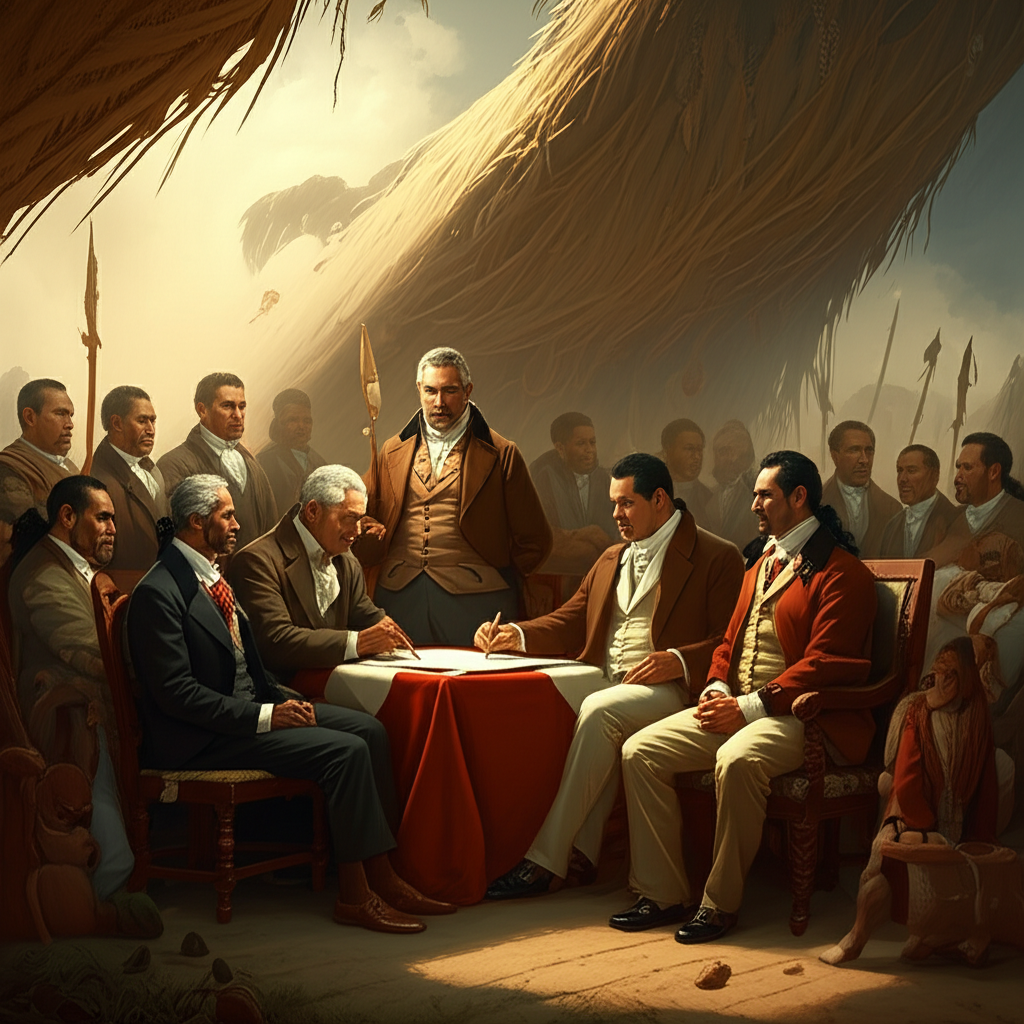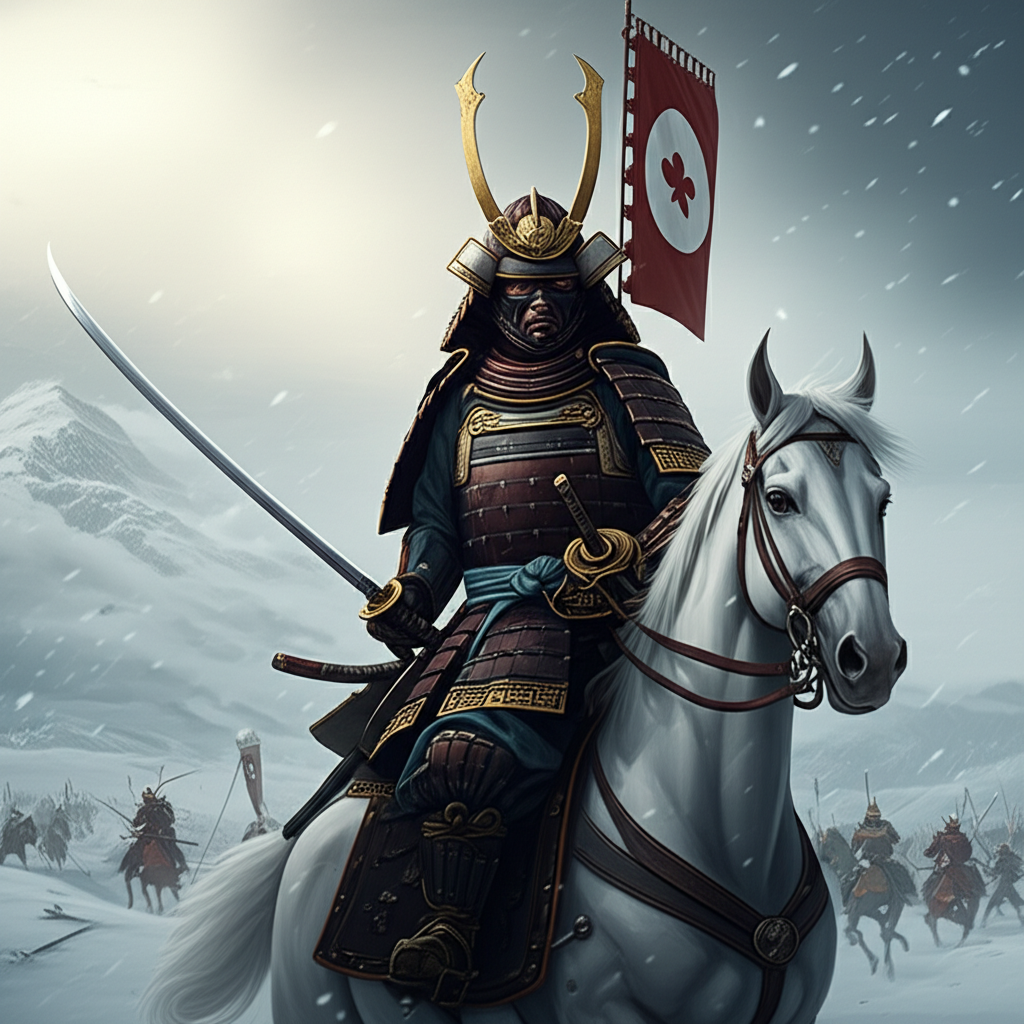
The conclusion of the Boshin War marked a definitive shift in Japanese governance, culminating in the desperate defense mounted by the remnants of the Tokugawa Shogunate on the northern island of Hokkaido. Following the surrender of Edo, Admiral Enomoto Takeaki led the Shogunate navy northward, refusing to submit to the nascent Meiji government. This strategic withdrawal was not merely a retreat but a calculated attempt to establish an independent state, the Republic of Ezo, modeled upon Western legal frameworks yet rooted in samurai tradition.
The defense of Hakodate centered on the star-fortress of Goryokaku, a bastion of European design intended to withstand modern artillery. Enomoto’s strategy relied heavily on naval superiority, utilizing the warship Kaiten to control the Tsugaru Strait. However, the loss of the flagship Kaiyo to adverse weather proved a catastrophic logistical and morale failure. The Imperial forces, having modernized rapidly with British assistance, capitalized on this weakness, launching a coordinated amphibious assault that isolated the rebel stronghold.
Despite the fierce resistance offered by the Shinsengumi and French military advisors, the disparity in resources became insurmountable. The systematic bombardment of Goryokaku forced Enomoto to recognize the futility of prolonged conflict. His subsequent surrender in June 1869 did not result in execution but rather signaled a pragmatic reconciliation. The capitulation at Hakodate formally extinguished the feudal order, consolidating the Imperial Army‘s authority and clearing the path for the rapid industrialization of the Meiji era.