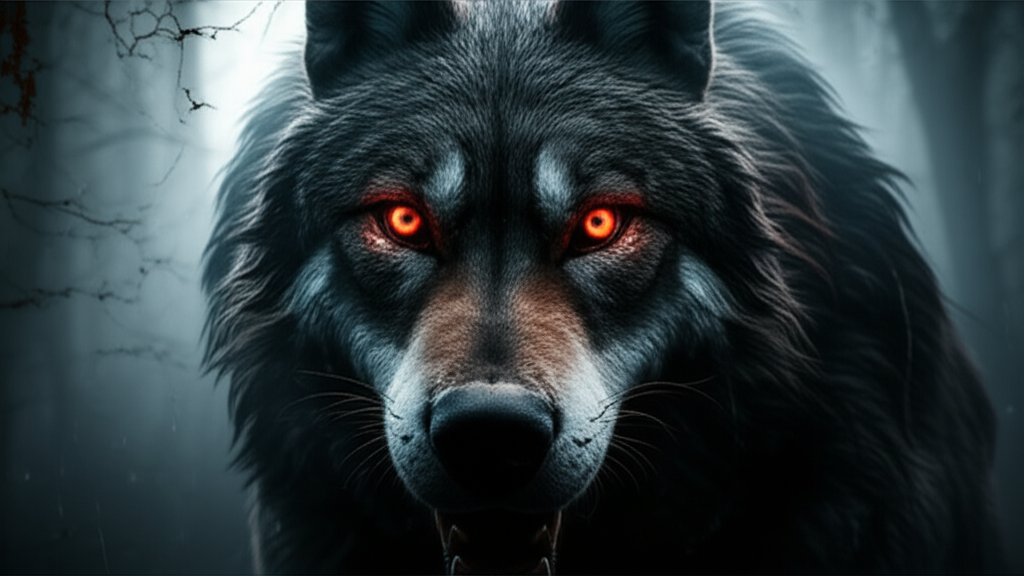
The true identity of the Beast of Gévaudan remains one of history’s more compelling zoological and criminological puzzles. While contemporary accounts readily labeled the creature a wolf, the evidence recorded between 1764 and 1767 suggests a far more complex reality. The sheer scale and ferocity of the attacks, combined with detailed eyewitness descriptions, challenge the notion that a single, ordinary wolf was responsible. Survivors consistently described an animal of immense size, with reddish fur and a disproportionately large head, characteristics not entirely consistent with the native European wolf population.
A more sophisticated analysis points toward the involvement of a large, trained wolf-dog hybrid. Such a creature would possess both the cunning and size of a wolf and the diminished fear of humans characteristic of a domestic dog. This hypothesis aligns with the beast’s unusual audacity, as it frequently attacked in broad daylight and near settlements, behavior atypical for wild canids.
Furthermore, the strategic nature of the killings has led many historians to consider the theory of human complicity. It is plausible that a local individual, or group of individuals, trained the animal and directed its reign of terror. This would explain the creature’s uncanny ability to evade the massive hunts organized by the French monarchy and the surgical precision of its assaults on vulnerable targets. The killing of the second beast by Jean Chastel, who purportedly used a consecrated silver bullet, has often been interpreted as an act that silenced not just an animal, but a dark human enterprise. Thus, the Beast was likely not a mere animal, but a weapon wielded by a human agent.