
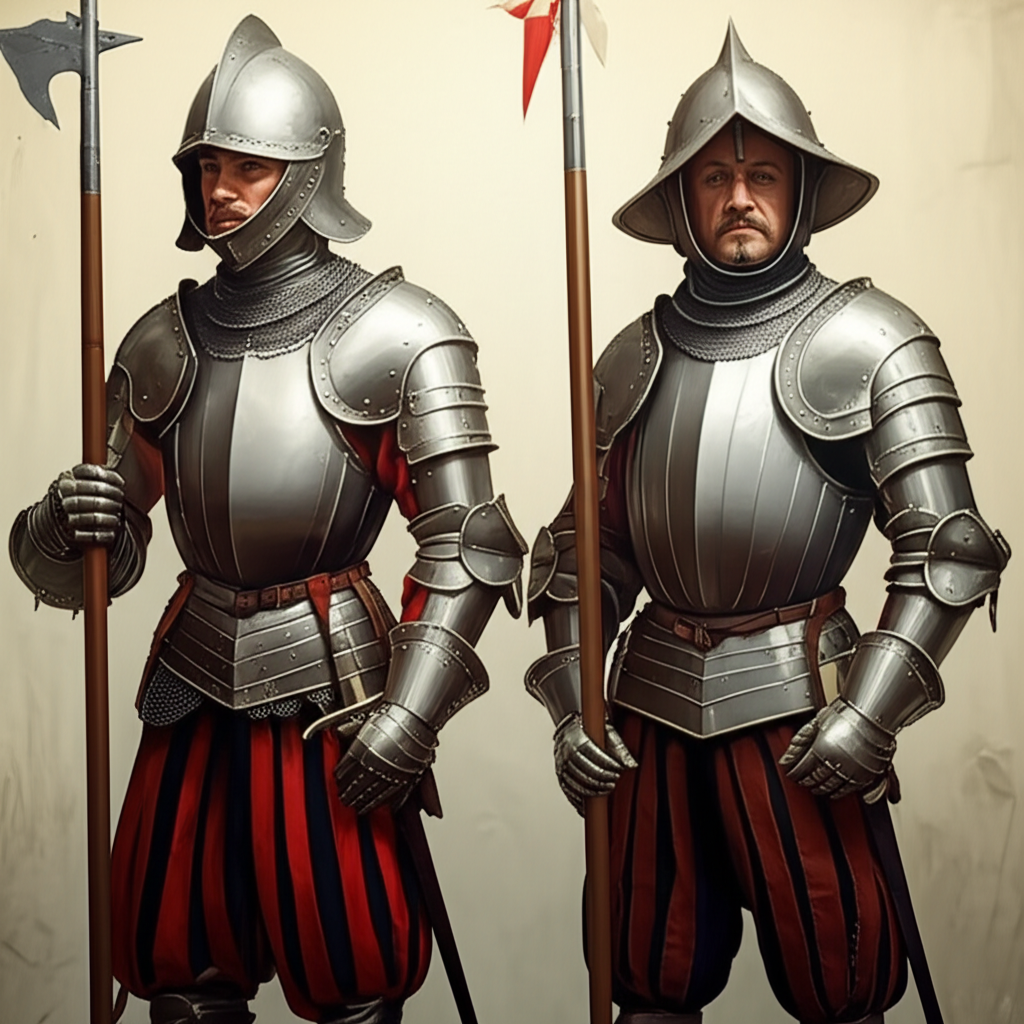
In the annals of Renaissance warfare, the Swiss mercenaries carved a reputation built upon unparalleled discipline and tactical supremacy. Their military prowess was not an accident of fortune but the result of a refined system of combat centered on the pike square. This dense infantry formation, a veritable moving fortress of steel-tipped pikes, rendered the traditional cavalry charge obsolete and established the dominance of professional infantry on the European battlefield.
The strategic genius of the Swiss system was its offensive capability. Far from being a static defensive unit, the pike square was a relentless engine of war, capable of a steady, disciplined advance that could shatter opposing infantry lines through sheer momentum and cohesion. Integrated within the formation, halberdiers and swordsmen provided crucial close-quarters support, protecting the flanks and exploiting breaches in the enemy’s front.
This tactical mastery made Swiss contingents the decisive element in numerous conflicts. European monarchs and Italian city-states paid exorbitant sums to secure their services, understanding that the presence of a Swiss column on the field often guaranteed victory. Their steadfast refusal to retreat and their fearsome reputation for giving no quarter created a psychological impact that frequently demoralized opponents before the first clash of arms.

