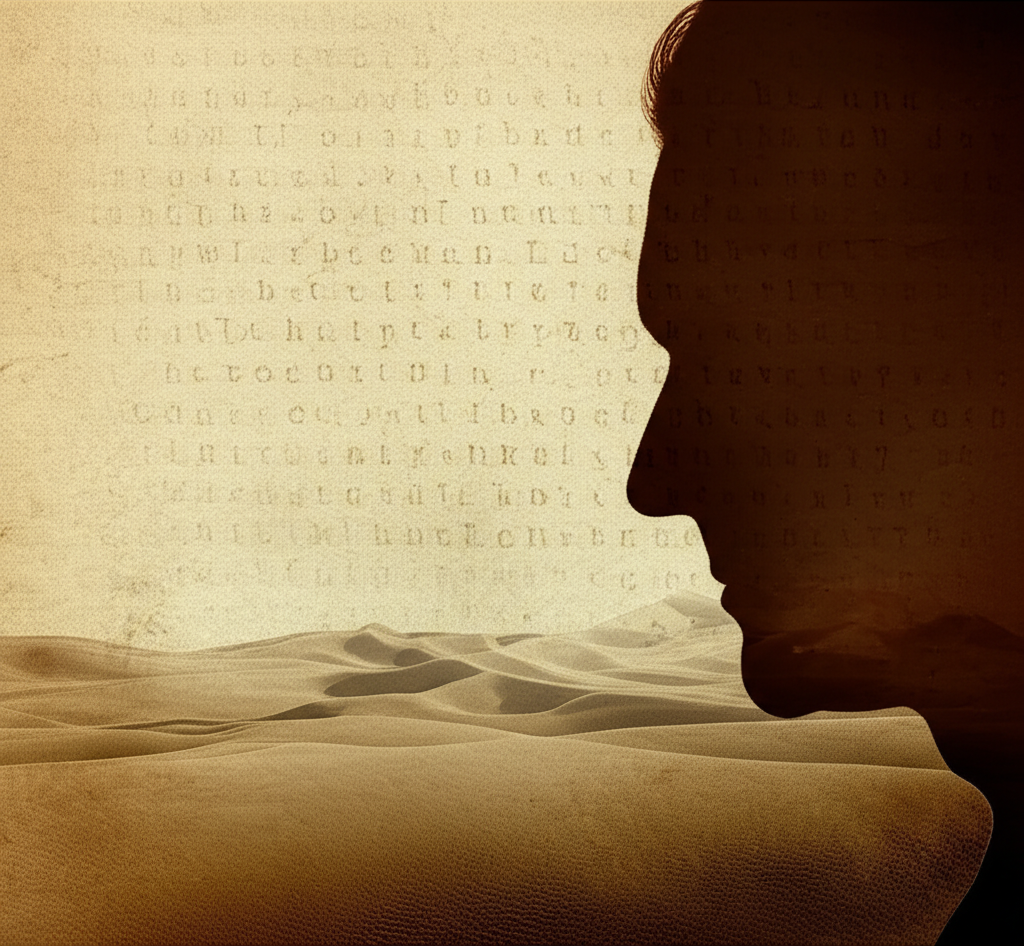
The discovery of an unidentified body on Somerton Beach in 1948 presented investigators with a conundrum that defied the analytical capabilities of the era. While the physical evidence was scant, the subsequent finding of a scrap of paper bearing the Persian phrase Tamam Shud in a hidden pocket shifted the inquiry from a routine death to a matter of profound intrigue. This fragment, torn from a rare edition of the Rubaiyat of Omar Khayyam, served as the primary catalyst for decades of speculation regarding espionage and clandestine operations.
Historical analysis of the case frequently centered on the faint cipher found on the back of the associated book. Intelligence agencies and amateur cryptographers alike attempted to decode the sequence of letters, presuming they contained sensitive geopolitical secrets. However, the strategic error in these early investigations lay in the assumption of complexity. The fixation on the nurse known as Jestyn and the pursuit of a Cold War narrative obscured the possibility of a private, rather than public, tragedy.
It was not until the application of advanced genomic sequencing in the twenty-first century that the obscurity was pierced. The identification of the man as Carl Webb, an electrical engineer from Melbourne, dismantled the elaborate spy theories constructed over seventy years. The evidence suggested that the code was likely a personal mnemonic device rather than a sophisticated cipher. Ultimately, the mystery was not a case of international intrigue, but a sorrowful account of a solitary man’s final journey, resolving a historical anomaly through the precise lens of modern science rather than the romanticism of fiction.