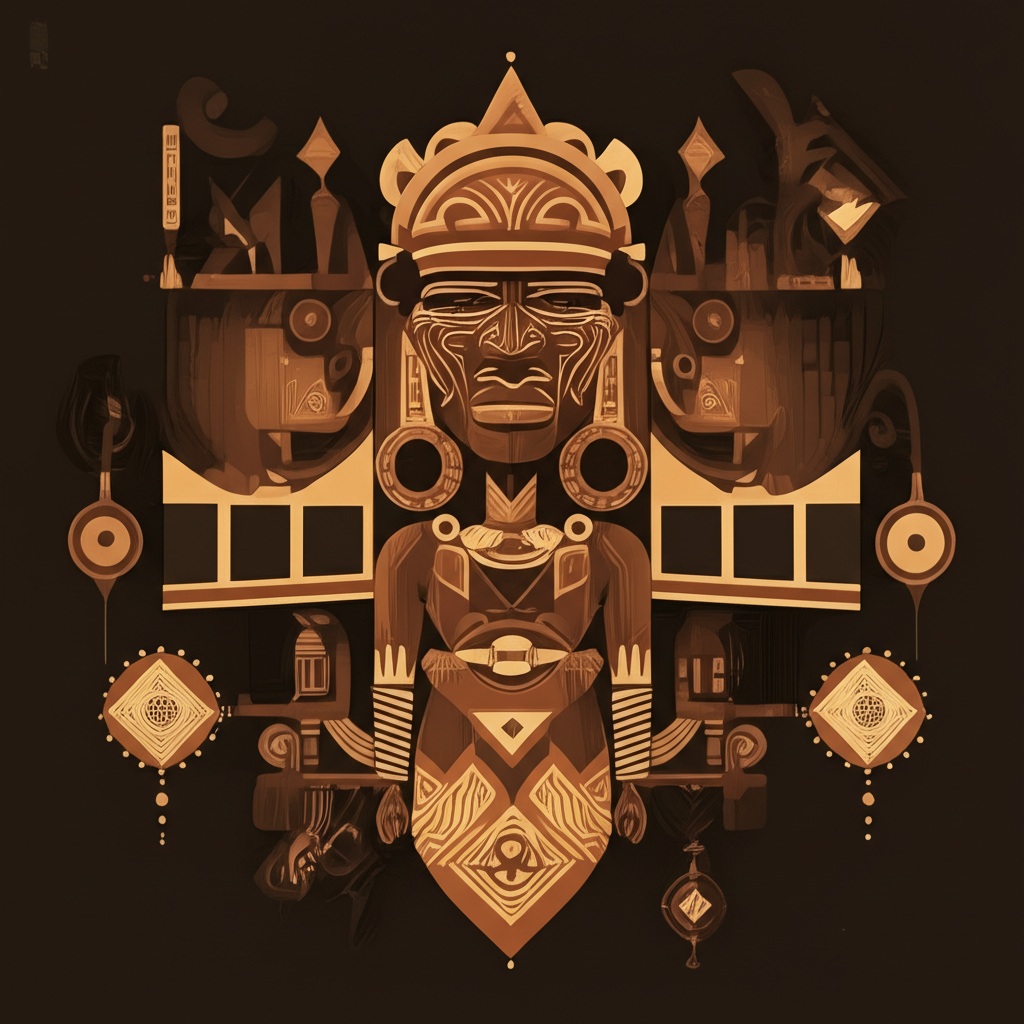
Within the complex pre-colonial societies of North America, the Two-Spirit individual functioned as a critical nexus between the masculine and feminine realms. Historical records indicate that these roles were not merely tolerated but were integral to the spiritual and social equilibrium of the community. Possessing both male and female spirits, these individuals wielded a unique metaphysical power, allowing them to perceive nuances invisible to those restricted to a single gender expression.
Spiritually, their utility was paramount during rites of passage and high ceremony. Tribal elders frequently tasked them with specialized ceremonial duties, ranging from the naming of infants to the orchestration of burial rites. Because they occupied a liminal space, they served as effective mediators between the physical world and the Creator. Their presence was often deemed essential for the success of religious festivals, particularly the Sun Dance, where their intercession ensured communal prosperity and the correct observation of protocol.
In the secular sphere, the strategic value of the Two-Spirit person manifested through economic versatility and diplomatic utility. Unbound by the rigid division of labor that governed the lives of men and women, they optimized household productivity by mastering the crafts and duties of both sexes.
Economic Optimization: They utilized their dual proficiency to engage in both hunting and domestic manufacture, often accumulating substantial wealth and stability for their kinship networks.
Conflict Resolution: Their position enabled them to act as neutral diplomats during intra-tribal disputes, leveraging their fluidity to negotiate settlements that strictly gendered individuals could not navigate.
Consequently, the Two-Spirit role was not defined by sexual orientation, but by a functional imperative that strengthened the tribe’s social fabric through specialized labor and spiritual mediation.