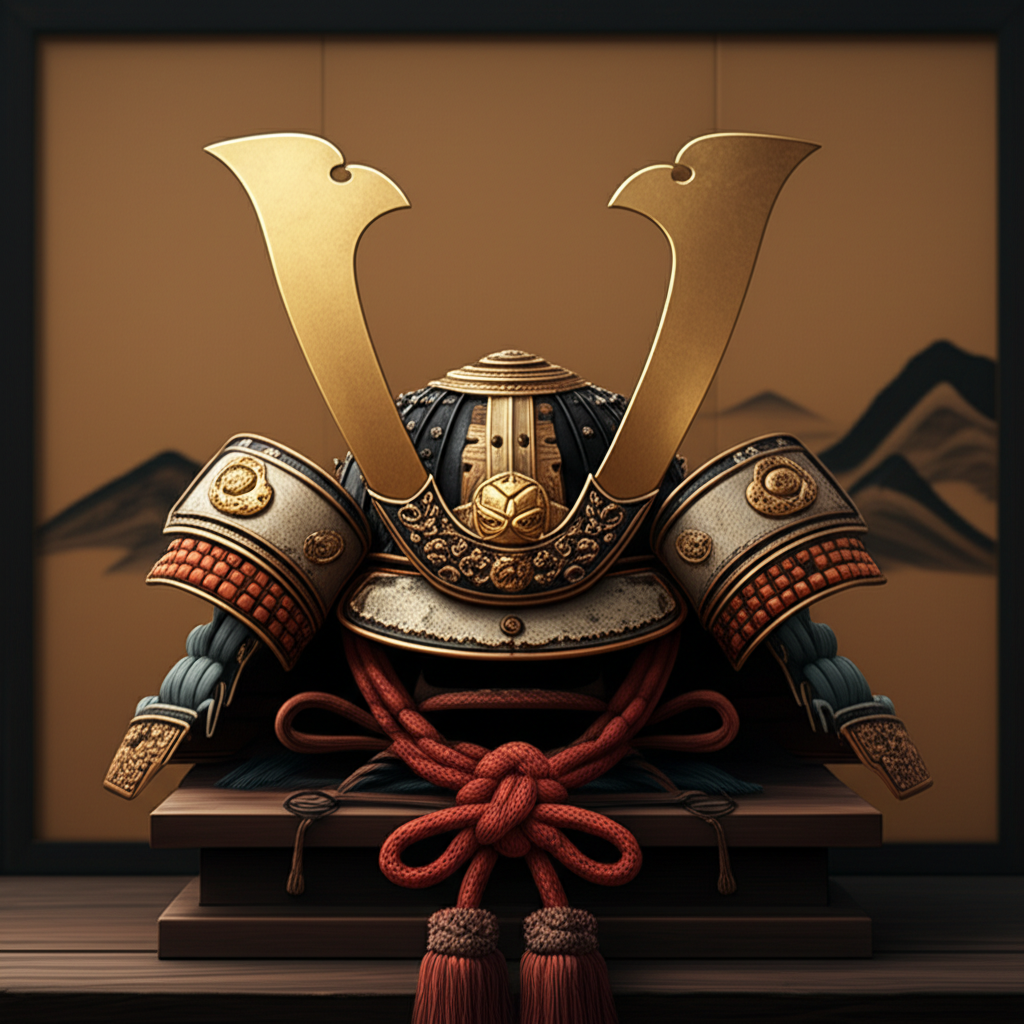
The role of the Shogun during the Tokugawa period represented the apex of centralized feudal authority in Japan. While the Emperor in Kyoto retained his ceremonial and divine status, true political and military power resided exclusively with the Shogun in Edo. The Tokugawa shogunate, or bakufu, served as the administrative instrument through which this power was exercised, creating a sophisticated and enduring system of governance designed for absolute control.
A cornerstone of this strategic dominance was the sankin-kōtai system, commonly known as alternate attendance. This policy compelled the powerful regional lords, or daimyō, to maintain lavish residences in Edo and spend alternate years in the capital, while their families remained there permanently as de facto hostages. This arrangement served a dual purpose: it ensured the loyalty of provincial leaders and systematically drained their financial resources through the immense costs of travel and maintaining multiple households. By centralizing the nobility and severely limiting their capacity for insurrection, the Shogun effectively neutralized potential rivals.
This intricate balance of political pressure and economic constraint was fundamental to the unparalleled stability that characterized the Tokugawa era, cementing the Shogun’s position as the undisputed master of Japan for over two and a half centuries.