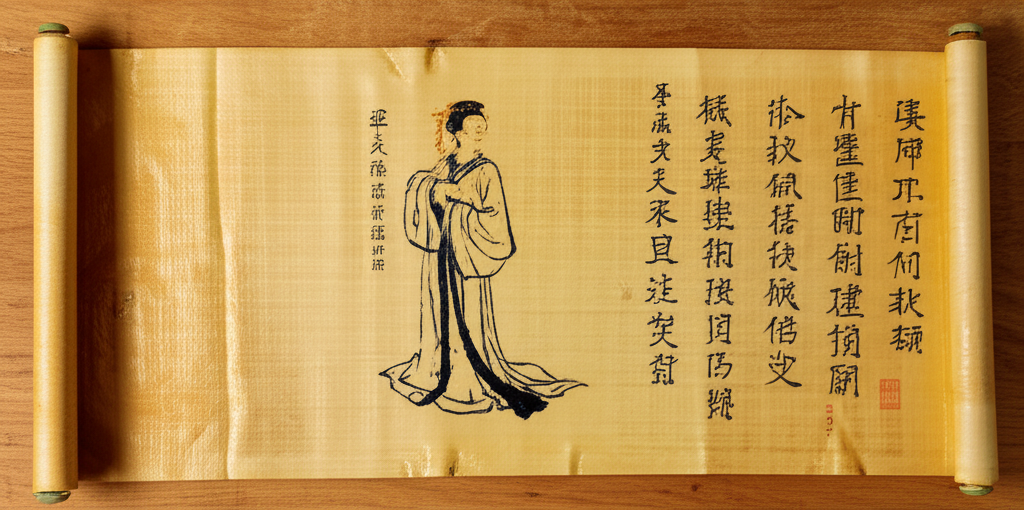
The excavation of the Mawangdui tombs unearthed a singular achievement in ancient mortuary science. Central to this discovery was the body of Xin Zhui, also known as the Lady of Dai, whose remains challenged contemporary understandings of decomposition and preservation. Unlike the desiccation techniques favored by Egyptian embalmers, the Han artisans employed a wet preservation method that maintained soft tissue elasticity for over two millennia.
The success of this preservation resulted from a multi-layered containment strategy designed to engineer a sterile environment. The burial chamber utilized an airtight seal formed by tons of moisture-absorbing charcoal and impervious white clay. This isolation effectively eliminated oxygen and bacteria from the crypt, creating a stable, anaerobic vacuum that halted the natural decay process.
Further optimizing this stasis, the body was immersed in a mysterious unknown liquid. Chemical analysis revealed this reddish solution contained magnesium and trace amounts of mercury, acting as a potent antibacterial agent. This acidic bath, combined with twenty layers of tightly wound silk binding, optimized the chemical stability of the remains.
Consequently, pathologists could perform a full autopsy centuries later, diagnosing coronary thrombosis and revealing the Marquise’s final meal of melon seeds. The Mawangdui findings confirm that the Han elite possessed a sophisticated grasp of chemistry and environmental control well ahead of their time.