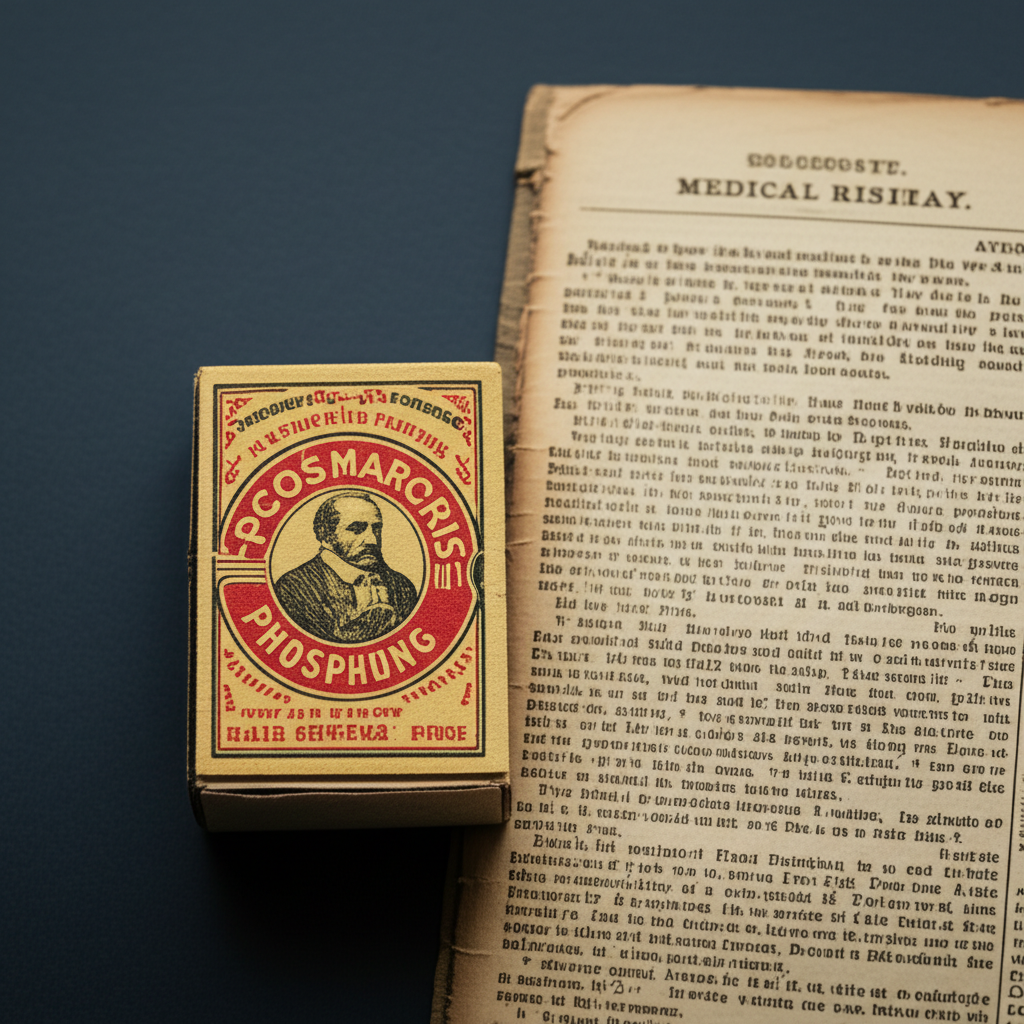
The industrial landscape of the nineteenth century was marred by a severe occupational hazard known as Phossy Jaw. This debilitating condition, a form of bone decay, plagued factory workers involved in the manufacturing of early friction matches. These primitive ignition sources relied heavily on White Phosphorus, a volatile and toxic substance. While effective for combustion, the continuous exposure to phosphorus fumes created a public health crisis that necessitated a radical shift in chemical engineering and industrial regulation.
The turning point occurred with the strategic development of the Safety Match. In a definitive move away from toxicity, Swedish chemists reformulated the ignition mechanism. The critical innovation lay in the separation of reactive elements. Rather than incorporating the combustible agent directly into the match head, manufacturers utilized non-toxic Red Phosphorus applied exclusively to a striking surface on the exterior of the box. This separation ensured that ignition could only occur through deliberate friction against the prepared strip, neutralizing the risk of accidental combustion and virtually eliminating the workers’ exposure to lethal fumes.
The relocation of phosphorus from the match head to the striking surface removed the primary vector of poisoning.
International mandates, culminating in the 1906 Berne Convention, prohibited white phosphorus usage, solidifying the new industry standard.
Consequently, the adoption of this segmented ignition method did more than improve consumer safety; it eradicated a prevalent industrial disease. The transition from volatile chemical mixtures to stable, separated components stands as a testament to how chemical optimization can successfully resolve systemic health crises.