
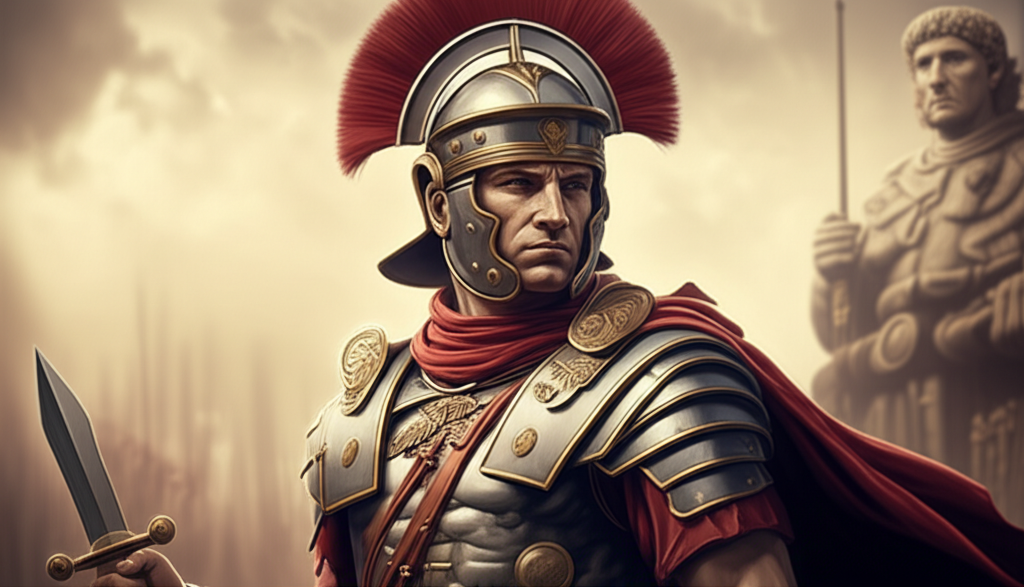
The Praetorian Guard, initially conceived as an elite bodyguard for the emperor, evolved into a formidable political entity, instrumental in the precarious process of imperial succession. Their transformation from protectors to kingmakers was a defining feature of the Principate, demonstrating that military might within the capital often superseded dynastic legitimacy or senatorial approval.
The Guard’s immense power stemmed from its unique strategic position. As the only significant military force permanently garrisoned within or near Rome, they held a monopoly on organized violence at the heart of the empire. This proximity to the seat of power, a privilege denied to the frontier legions, allowed them to act decisively during moments of crisis, such as the death or assassination of a reigning emperor. While the Senate debated and claimants maneuvered, the Praetorians could present a fait accompli by acclaiming a successor of their choosing.
The ascension of Claudius in 41 CE provides the quintessential example of this dynamic. Following the assassination of Caligula, it was the Praetorians who discovered the terrified Claudius and, bypassing the Senate entirely, proclaimed him emperor. This was not an act of chance but a calculated move to secure a pliable ruler who would reward their loyalty with a substantial donativum, or accession bonus. This event established a dangerous precedent, demonstrating that the Guard’s allegiance was a commodity to be purchased. Their support, or its withdrawal, became the ultimate determinant of many Roman Emperors’ survival and a candidate’s elevation.


