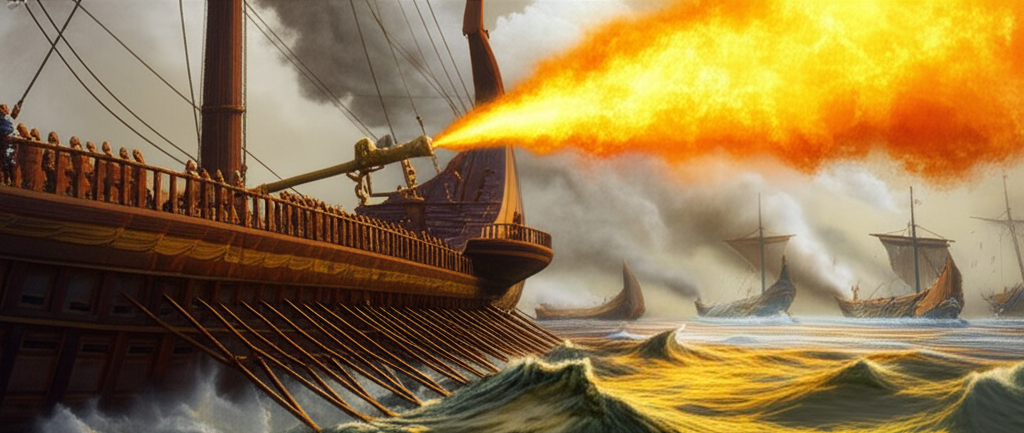
The operational persistence of Greek Fire within Byzantine naval strategy hinged on its function as a decisive force multiplier and a tool of psychological dominance. Far beyond its incendiary properties, the weapon system—comprising the chemical formula, the pressurized siphon, and specialized dromon crews—represented a sophisticated, state-controlled tactical asset. Its true strategic value was not merely destructive potential but its ability to negate numerical superiority and shatter enemy morale before fleets even engaged. During the critical Arab sieges of Constantinople, it proved instrumental in breaking blockades, demonstrating its capacity to dictate the terms of engagement and create exclusionary zones impenetrable to conventional fleets.
This sustained effectiveness was guaranteed by its deep integration into naval doctrine. The Byzantines did not simply add Greek Fire to existing ships; they engineered their warships around its deployment. This doctrinal commitment, combined with the fiercely guarded state secret of its composition, prevented adversaries from developing effective countermeasures or replicating the technology for centuries. Consequently, Greek Fire remained a credible and unparalleled deterrent, a cornerstone of Byzantine maritime hegemony. Its longevity was not an accident of technology but a testament to a brilliantly executed, centuries-long strategy of technological monopoly and specialized tactical application.