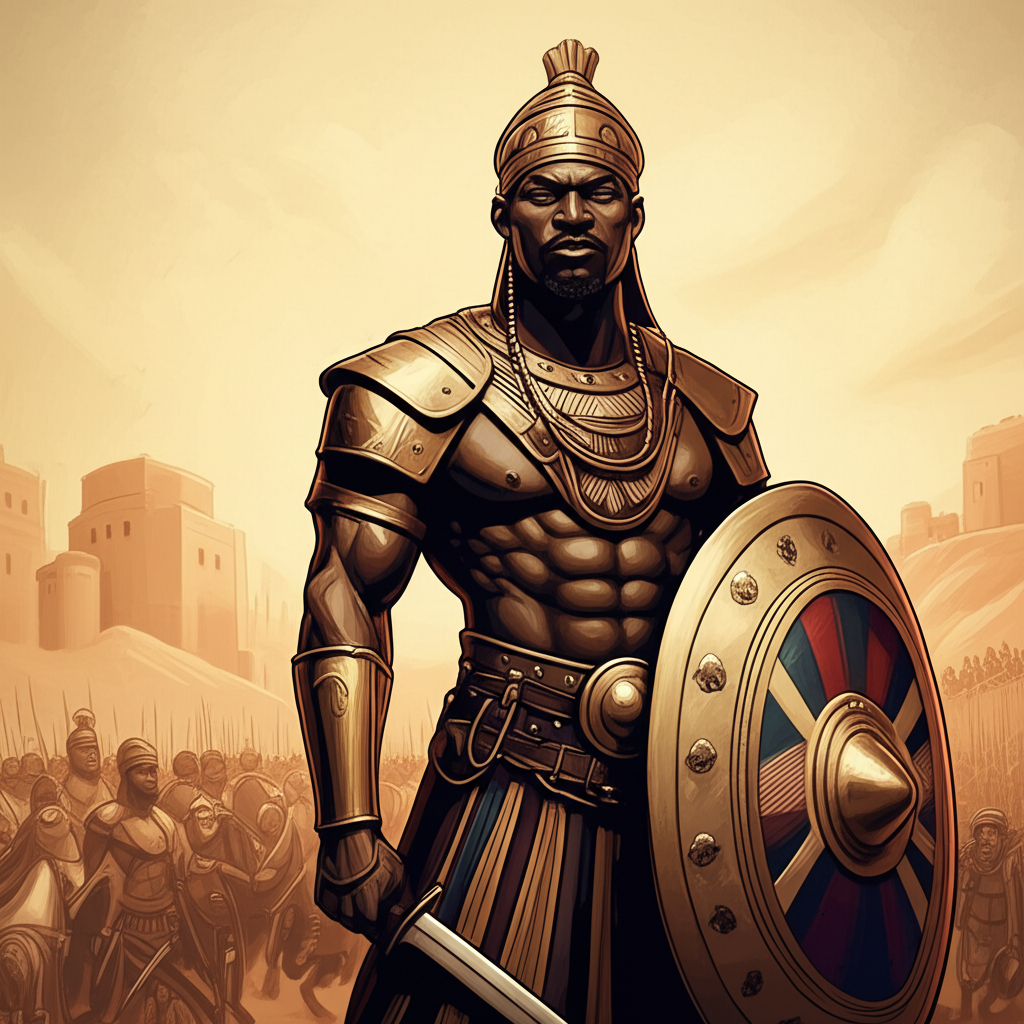
Following the rapid consolidation of control over Egypt in the mid-seventh century, the Rashidun forces turned their gaze southward, anticipating a swift annexation of the Nubian corridor. However, the Christian Kingdom of Makuria proved to be an unexpected and formidable bulwark against this expansion, employing a defense strategy that fundamentally disrupted the standard Arab military doctrine of the era.
The Makurian resistance relied heavily on superior marksmanship and tactical positioning. During the engagement, Arab chroniclers famously noted the proficiency of the Nubian archers, designating them “pupil smiters” due to their ability to blind opponents with deadly accuracy. This ranged superiority neutralized the light cavalry charges that had successfully devastated Byzantine and Sassanid lines elsewhere. By keeping the invading forces at a distance, Makuria prevented the close-quarters combat favored by the Caliphate’s infantry.
Furthermore, the defense of the capital, Old Dongola, demonstrated a sophisticated understanding of siege warfare. In both 642 and 652 CE, Makurian forces utilized fortified urban defenses to withstand bombardment, forcing the besiegers into a war of attrition they could not sustain in the harsh desert climate.
The inability of the Caliphate to secure a military victory necessitated a diplomatic solution unique in early Islamic history. The conflict concluded not with submission, but with the ratification of the Baqt. This treaty established a reciprocal exchange of goods and guaranteed mutual non-aggression, effectively acknowledging Makuria as a sovereign entity. Through this combination of tactical asymmetry and defensive fortitude, Makuria successfully halted the Islamic advance, preserving Nubian independence for another six centuries.