
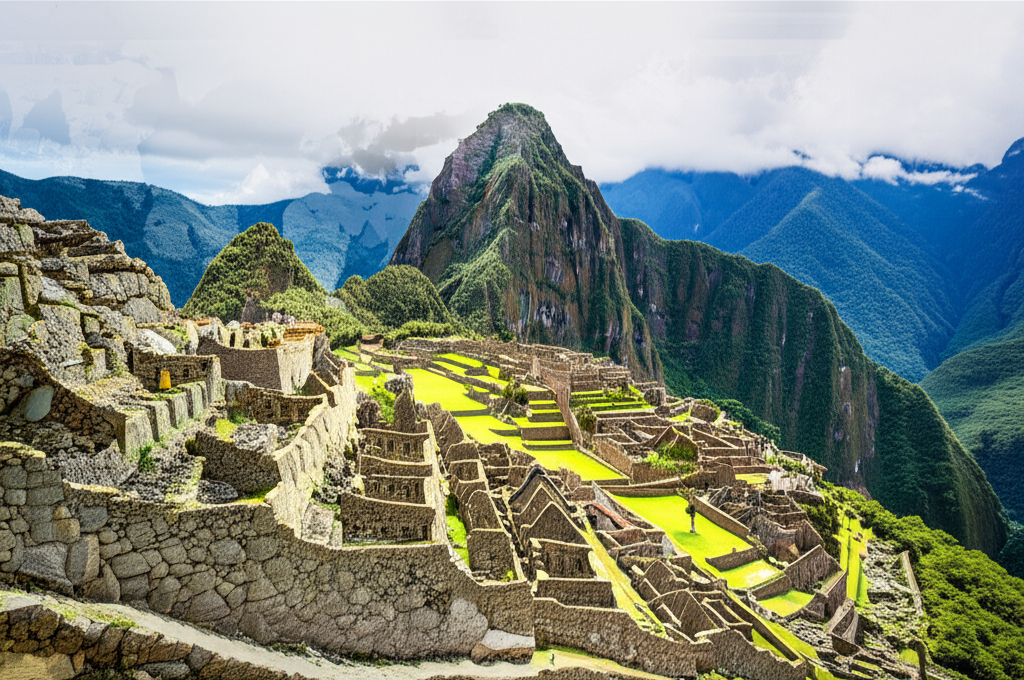
The narrative of Hiram Bingham’s 1911 “discovery” of Machu Picchu is a foundational myth of modern archaeology, yet one that obscures a more complex political reality. To treat his arrival as a singular event is to ignore the site’s continuous existence within local consciousness and the documented presence of prior visitors like Agustín Lizárraga. Bingham’s expedition, backed by Yale University and National Geographic, was less a discovery and more a strategic act of Western appropriation, framing a known place within a narrative of scientific conquest that served American academic and geopolitical interests.
This act of framing had lasting consequences. By positioning himself as the scientific discoverer, Bingham legitimized the removal of thousands of artifacts, effectively transferring control of Peruvian cultural heritage to a U.S. institution. The subsequent, century-long struggle for their repatriation highlights the core issue: the “discovery” was not a neutral act but the beginning of a protracted negotiation over ownership, narrative control, and the very definition of cultural patrimony. Deconstructing the Bingham myth is therefore essential, revealing how historical narratives are often constructed to ratify power imbalances and how the politics of the past continue to shape contemporary cultural heritage discourse.


