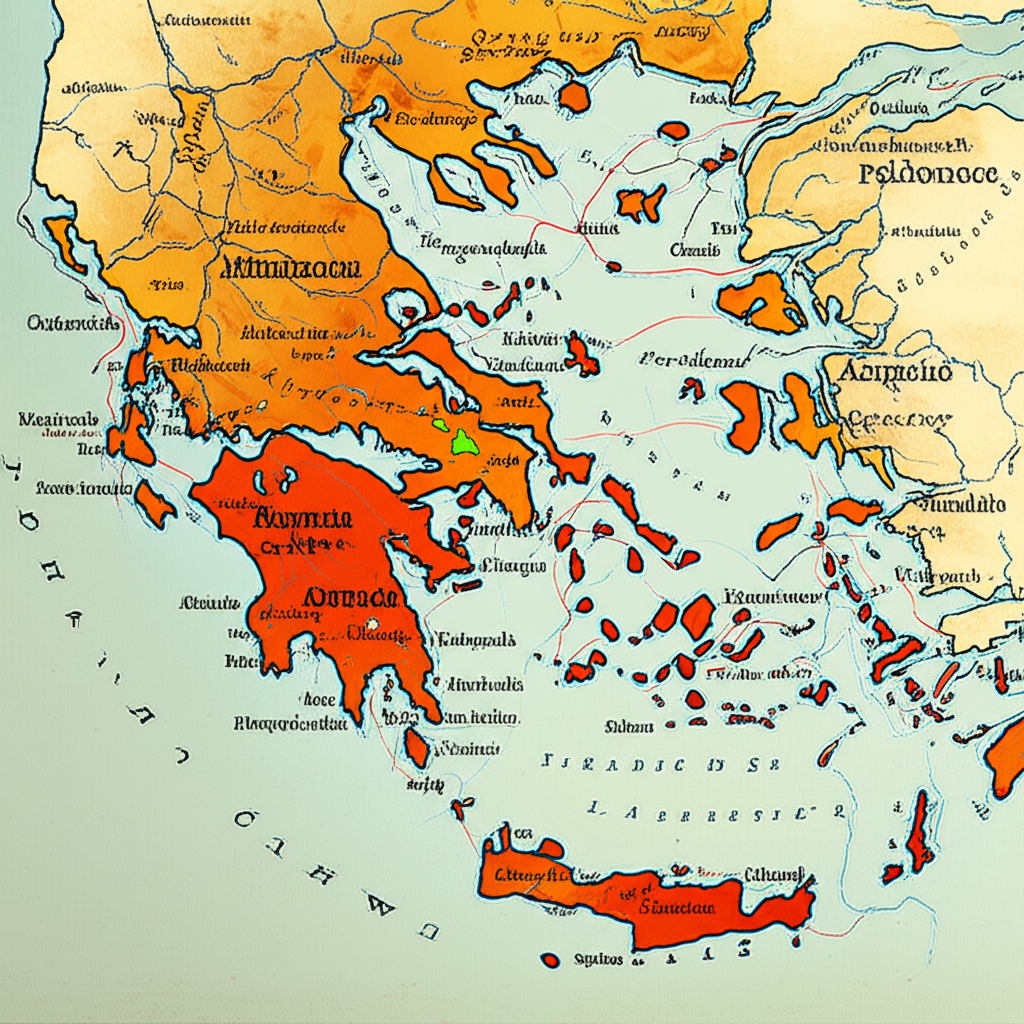
The Geopolitical Genesis of the 776 BCE Olympiad
The traditional founding of the Olympic Games in 776 BCE was less a spontaneous celebration of athletic prowess and more a calculated act of geopolitical strategy. To view the early Olympiad merely through a cultural or religious lens is to miss its primary function as a mechanism for regional power projection within the fragmented Peloponnese. The city-state of Elis, by establishing control over the sanctuary at Olympia, engineered a recurring, neutral platform that it could dominate.
The masterstroke was the institutionalization of the Olympic Truce, the ekecheiria. This sacred mandate, ostensibly to ensure safe passage for athletes and spectators, effectively granted Elis periodic diplomatic and military leverage. By enforcing this Panhellenic armistice, Elis could interrupt rivalries, force dialogue, and elevate its status from a minor regional power to the arbiter of a prestigious international event.
Rivalries for control of the games, particularly from neighboring Pisa, underscore their political value. The Olympiad was a theater where status was contested not through pitched battle but through prestige and influence. Each festival became a referendum on the prevailing Hellenic power dynamics. Therefore, the 776 BCE Olympiad should be understood as the genesis of a sophisticated political instrument, designed to impose a degree of order on an otherwise anarchic landscape, with its administrators at the center of influence.