The Janissaries constituted the elite infantry corps of the Ottoman Empire and were instrumental in its military dominance for centuries. Formed through the devşirme system, which conscripted young boys from Christian families in the Balkans, this force was molded into a professional standing army with absolute loyalty to the Sultan. This system was a strategic masterpiece, creating a military class unbound by regional or tribal loyalties, a stark contrast to the feudal armies of contemporary European states.
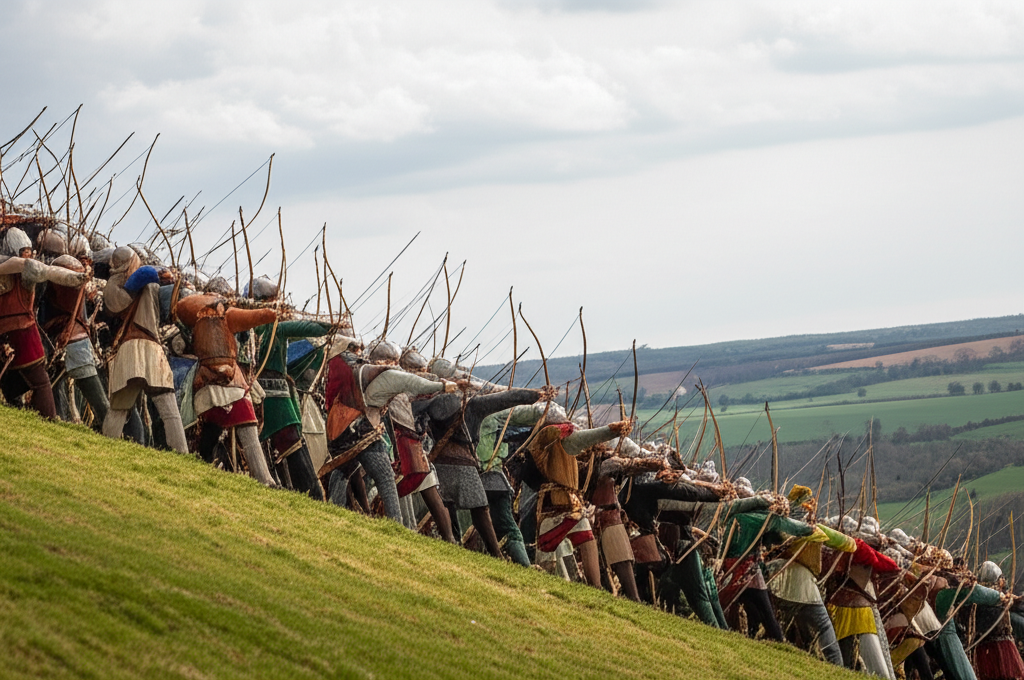
Their battlefield effectiveness was rooted in superior discipline and the early adoption of gunpowder weapons. The Janissaries were masters of combined arms tactics, employing massed arquebus and musket fire to disrupt enemy formations before closing for a decisive charge. This synthesis of firepower and shock action secured numerous victories and solidified Ottoman control over vast territories. As the Sultan’s personal guard and the core of the imperial army, their presence alone often determined the outcome of a campaign.
However, the very institutional strength of the Janissaries eventually became a liability. Over time, the corps evolved into a powerful political entity with vested interests, often resisting essential military reforms that threatened its privileged status. Their discipline waned as they engaged in commerce and politics, and their resistance to modernization grew. This internal decay ultimately led to their violent dissolution by Sultan Mahmud II in 1826, an event that marked a pivotal, albeit bloody, transition toward a modern Ottoman military structure.