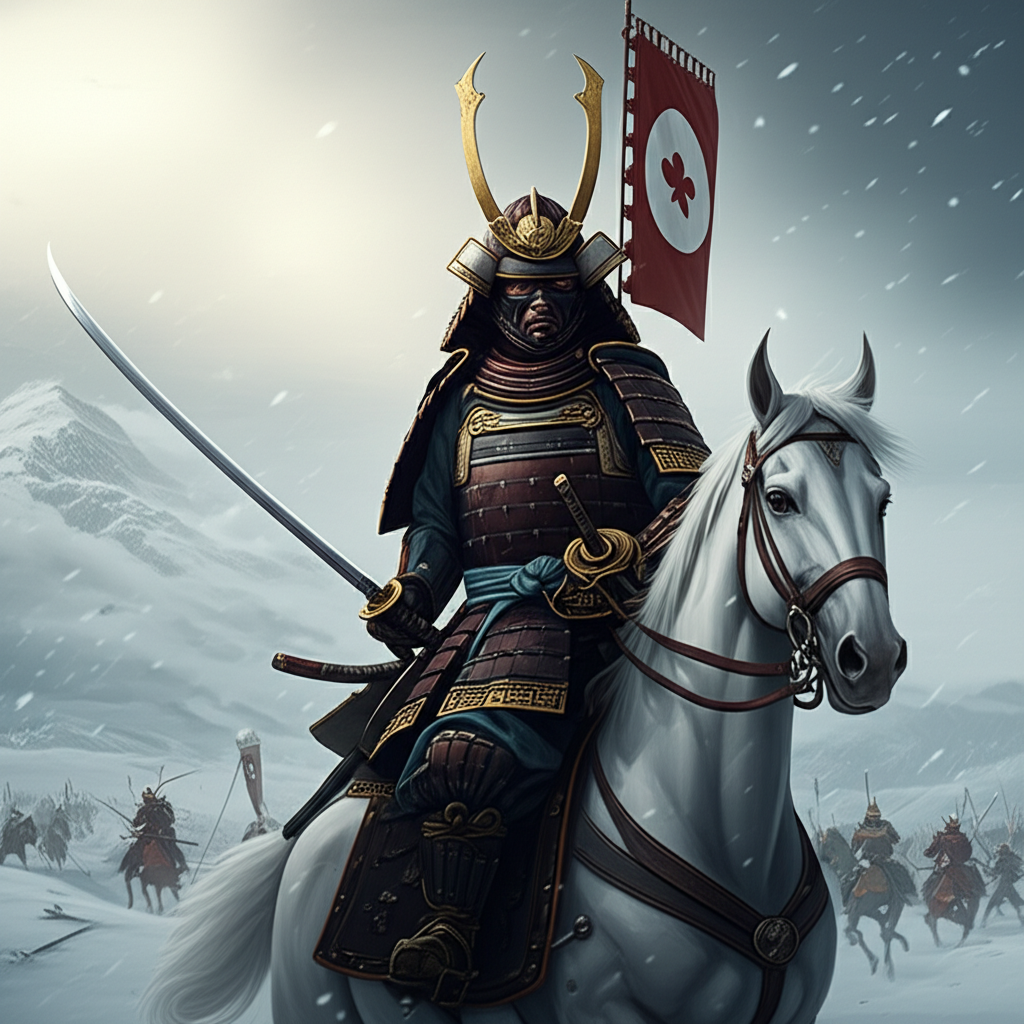
The romanticized conception of Bushido as an ancient, monolithic moral code is a foundational myth, largely constructed during the Meiji Restoration. While pre-modern samurai adhered to various house codes (kakun) and clan-specific ethics, the systematized philosophy known as Bushido is a distinctly modern invention, engineered to forge a national identity for a rapidly industrializing Japan.
Its codification was overwhelmingly influenced by Nitobe Inazō’s 1900 text, Bushido: The Soul of Japan. Written in English for a Western audience, Nitobe’s work was a strategic articulation of a Japanese ethos, equating the idealized samurai spirit with European chivalry to garner international legitimacy. This Meiji-era project selectively curated and romanticized disparate historical elements, creating a neo-Confucian framework that served state-building and, later, nationalist ambitions. It conveniently overlooked the pragmatic, often brutal, and transactional realities of pre-Edo period warfare.
For any serious analysis, distinguishing between the varied, lived ethics of the historical samurai and the ideological project of modern Bushido is paramount. Texts like the Hagakure, once a niche, localized commentary, were retroactively co-opted into this grand narrative. Ultimately, Bushido was less a reflection of a feudal past and more a potent tool for shaping a modern nation’s future.