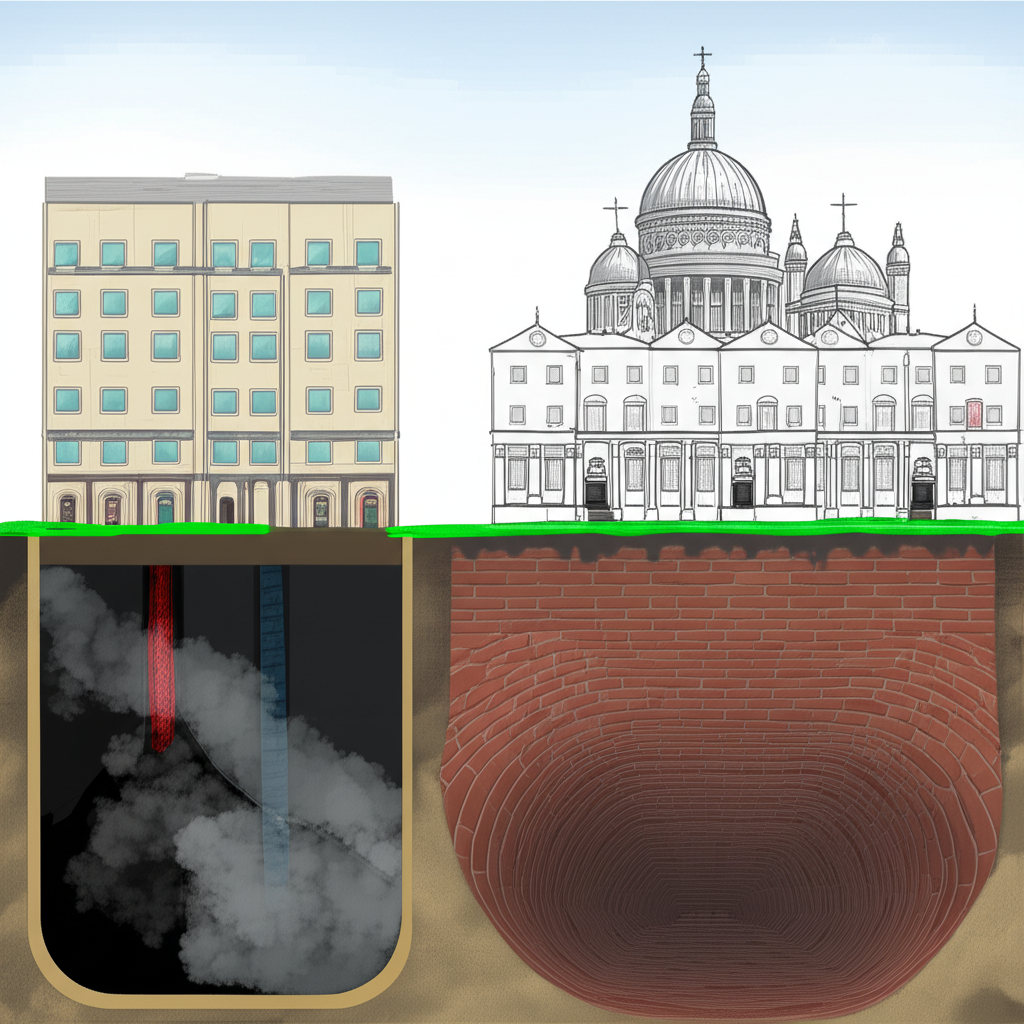
The collapse of the Dale Dyke Dam on a fateful March night in 1864 marked a watershed moment in Victorian civil engineering. While the Sheffield Waterworks Company sought to meet the expanding demands of a rapidly industrializing populace, the subsequent inundation of the Loxley Valley demonstrated the catastrophic cost of structural oversight. The deluge did not merely destroy property; it exposed fundamental flaws in the construction practices of the era, forcing a revaluation of hydraulic safety standards.
Post-disaster inquiries revealed that the failure stemmed from more than simple misfortune or weather conditions. The positioning of the discharge pipes and the instability of the puddle clay core were identified as critical errors in design and execution. Engineers and historians observed that the disaster necessitated a shift from rough estimation to rigorous scientific calculation in infrastructure planning. The tragedy underscored the absolute necessity of independent inspection protocols, which were previously absent from major public works projects.
Ultimately, the legacy of the Great Sheffield Flood extended far beyond the immediate mourning period. It catalyzed significant legislative reform, most notably influencing the Waterworks Clauses Act. This regulatory shift ensured that future reservoirs were subject to stricter safety standards, effectively transforming the approach to municipal water supply management across the nation. The event stands as a somber testament to the price of industrial progress when achieved without adequate caution and oversight.