The nineteenth century witnessed a pivotal transformation in illumination technology with the advent of limelight. Initially developed by Goldsworthy Gurney and later refined for practical application by Thomas Drummond, this apparatus relied on a precise chemical interaction to generate unparalleled luminosity. The mechanism involved directing a volatile oxyhydrogen flame against a cylinder of calcium oxide, commonly known as quicklime. When heated to incandescence, the lime emitted a brilliant, harsh white glow that far surpassed the capabilities of traditional oil lamps or Argand burners.
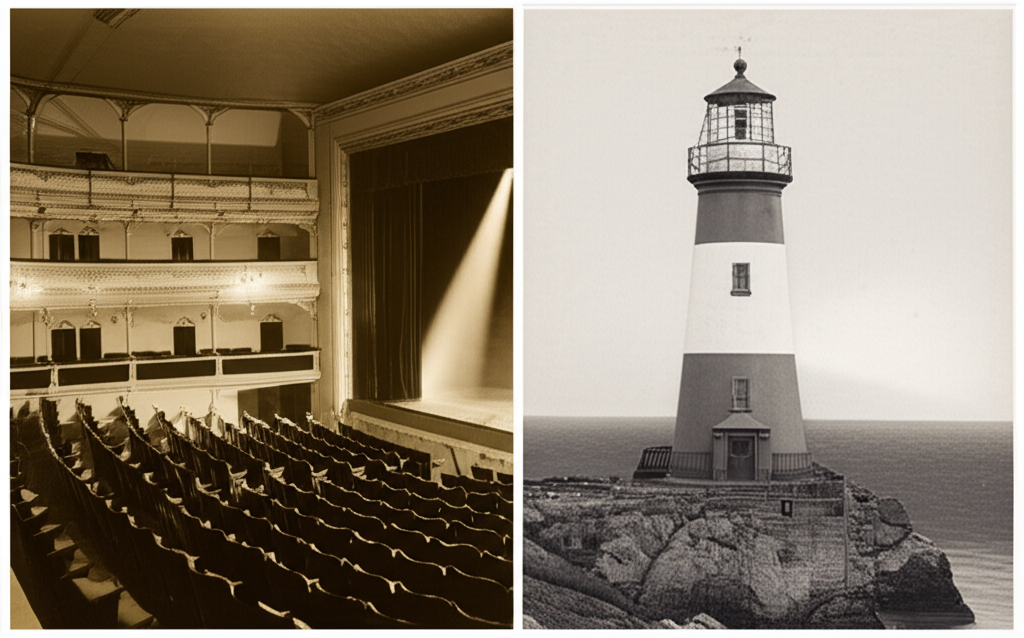
In the sphere of maritime navigation, engineers immediately recognized the strategic value of this high-intensity radiance. Lighthouses adopted the technology to penetrate dense coastal fog and extend the visibility horizon for vessels at sea. The optimization of the Drummond Light allowed for safer navigation in treacherous waters, effectively modernizing the infrastructure of naval trade routes and reducing the frequency of catastrophic shipwrecks during the mid-Victorian era.
Simultaneously, the theatrical world harnessed this luminance to revolutionize stagecraft. Directors employed limelight spots to manipulate the visual hierarchy of a scene, casting principal actors in a stark, ethereal brilliance while obscuring the surrounding set in shadow. This strategic use of lighting directed audience attention with absolute precision, allowing for a heightened sense of dramatic realism.
Focus Control: The ability to concentrate beams enabled the isolation of specific performers.
Atmospheric Effect: Lenses could simulate moonlight or sunlight, altering the mood of the production.
By the late 1800s, the operational hazards and logistical complexity of maintaining gas cylinders precipitated the decline of limelight in favor of electric arc lighting. Nevertheless, its dominance during the century established fundamental principles of spotlighting and focus that remain central to visual performance history.