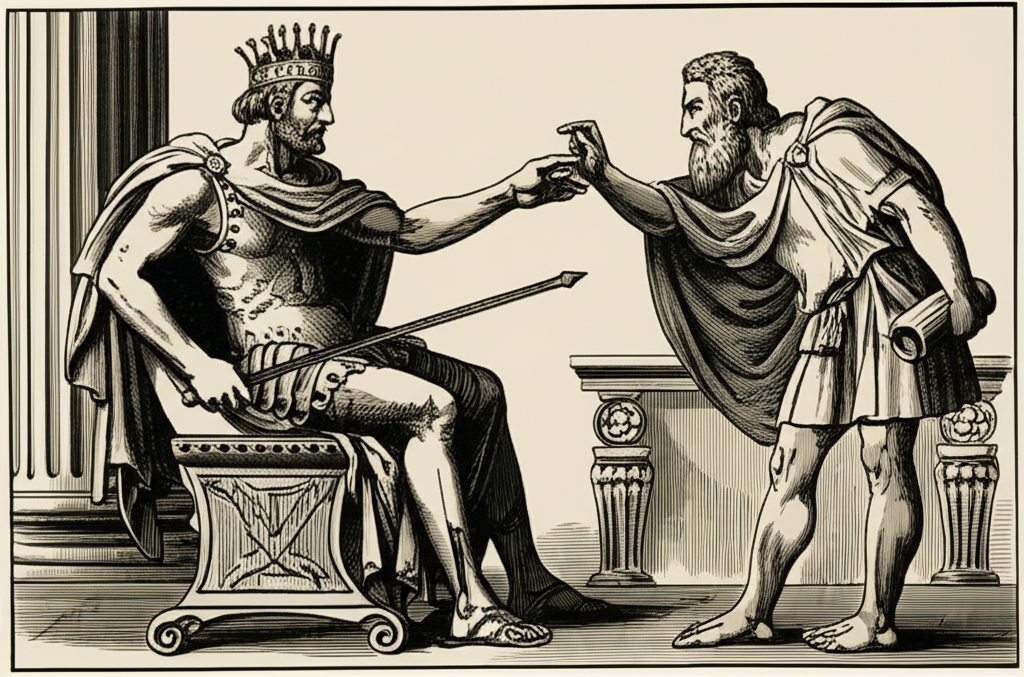
The institution of the Ephors represented a critical counterweight to monarchical authority within the complex Spartan political system. While the dual kingship held significant religious and military command, the five annually elected Ephors wielded substantial judicial and executive power, effectively creating a system of checks and balances unique in the Hellenic world.
Their authority was far-reaching. The Ephors presided over the gerousia (council of elders) and the apella (citizen assembly), giving them considerable influence over state policy and legislation. More significantly, they possessed the power to levy fines against the kings, compel them to appear for trial, and, in extreme cases, even depose them. This judicial oversight was not merely ceremonial; it was a potent tool used to ensure that the kings operated within the strictures of Spartan law and tradition.
This dynamic was a deliberate constitutional arrangement designed to prevent the consolidation of absolute power. By subjecting the hereditary authority of the kings to the scrutiny of magistrates elected from the general citizen body, Sparta optimized its political structure for internal stability. The Ephors’ annual term limit further prevented any single group from amassing undue influence, while their broad mandate ensured that no king could act with impunity. This institutional tension, for centuries, defined Spartan governance and distinguished its statecraft from the more volatile political landscapes of other Greek city-states.