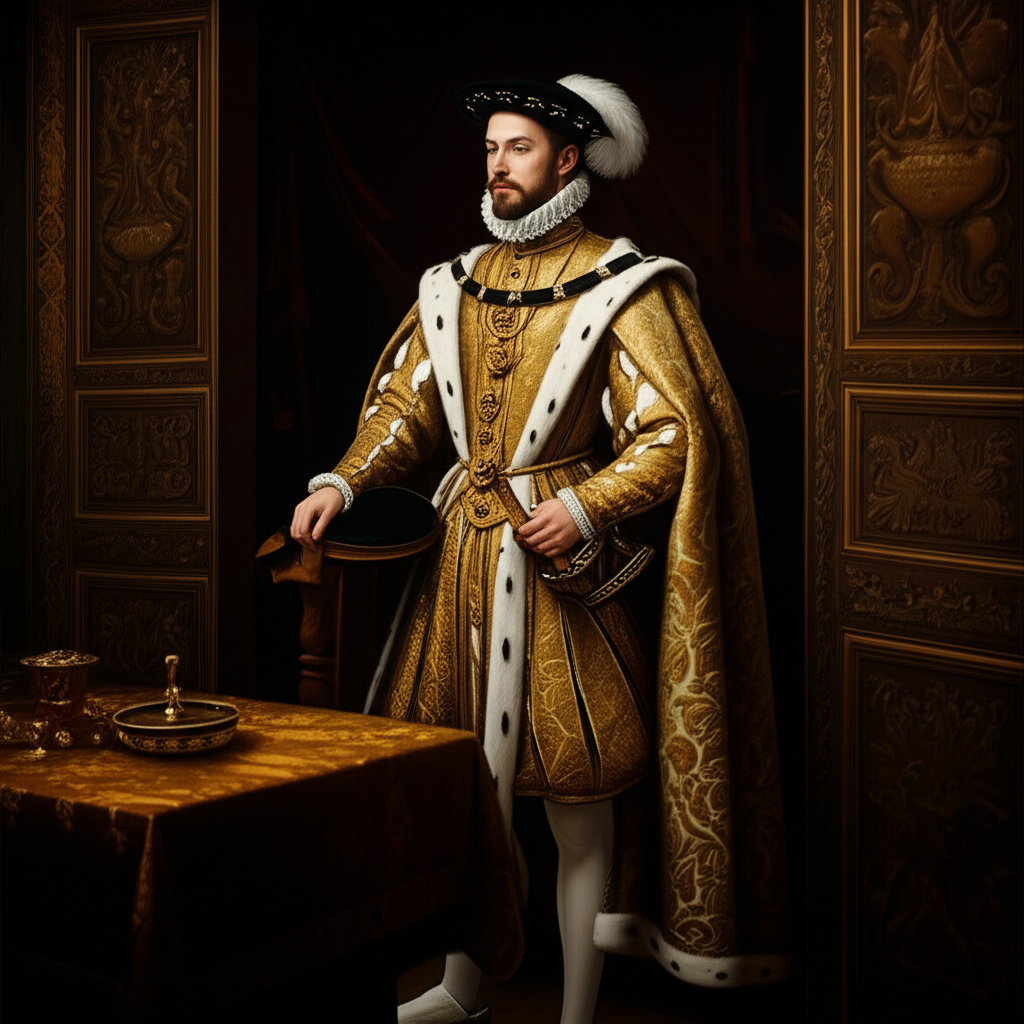
The office of the Groom of the Stool represented a paradox within the Tudor court, where the performance of menial bodily service granted the holder unrivaled political authority. Far from being a role relegated to mere sanitation, this position placed a courtier at the epicenter of the monarch’s private life. The Groom’s primary duty involved attending the King during his most vulnerable moments of personal hygiene, a task that established a unique bond of intimacy. By managing the King’s “body natural,” the Groom gained implicit influence over the “body politic.”
This proximity served as a potent strategic asset. In a court system where access equated to power, the Groom acted as the ultimate gatekeeper of the Privy Chamber. While the formal Privy Council debated policy in public halls, the Groom possessed the monarch’s ear within the withdrawal chamber, often shaping royal opinion before official audiences commenced. This exclusive access allowed the Groom to filter information reaching the sovereign and to advocate for specific factions without the oversight of rival courtiers.
Beyond the management of the King’s person, the role evolved into a position of significant financial autonomy. The Groom was entrusted with the Privy Purse, a treasury distinct from the national Exchequer. This responsibility involved:
Managing the King’s discretionary spending and personal debts.
Funding secret intelligence and covert political operations.
* Bypassing the slow bureaucratic procedures of the state treasury.
Consequently, the Groom of the Stool functioned not merely as a personal servant, but as a confidential treasurer and chief administrator. The intimate nature of his daily duties optimized his ability to secure royal favor, making him one of the most formidable figures in the Tudor administration.