
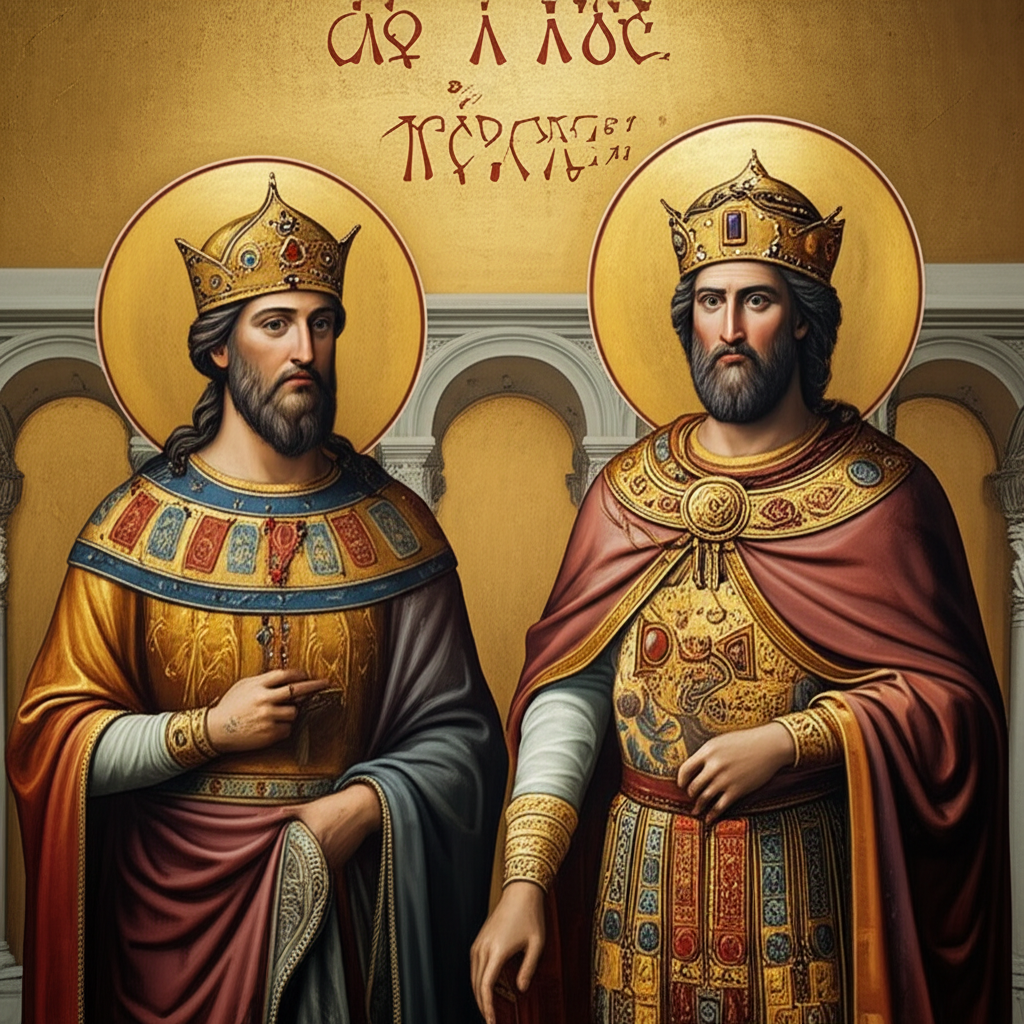
In the annals of the Byzantine Empire, the year 827 AD marked a critical juncture where dynastic consolidation in Constantinople clashed with catastrophic fragmentation in the western provinces. Michael II, having survived the ruinous civil war against Thomas the Slav, sought to fortify the Amorian dynasty’s legitimacy. Ruling alongside his son and co-emperor, Theophilus, the administration focused on rebuilding internal stability and replenishing the imperial treasury. This period of dual governance was intended to project a unified front against domestic insurrection, yet the true threat to imperial hegemony materialized on the periphery.
While the two legitimate emperors secured the capital, the strategic vital ground of Sicily unraveled due to the ambition of a rogue commander. Euphemius, the tourmarches of the fleet, facing arrest for defying imperial law, instigated a rebellion that would permanently alter the Mediterranean geopolitical landscape. In a brazen act of usurpation, Euphemius assumed the imperial title, creating a momentary and disastrous rival authority to the throne in Constantinople.
The strategic failure of this insurrection lay not in the rebellion itself, but in Euphemius’s subsequent diplomatic calculation. Realizing his inability to withstand the loyalist forces of the theme, he solicited military intervention from the Aghlabid dynasty of Ifriqiya. This decision transformed a localized political dispute into an existential crisis for Byzantium. The resulting landing at Mazara initiated the Islamic conquest of Sicily, stripping the empire of its crucial naval dominance in the central Mediterranean. Thus, 827 stood as a paradox: the year the Amorians successfully centralized power in the East, only to inadvertently facilitate the long-term disintegration of their Western holdings.

