
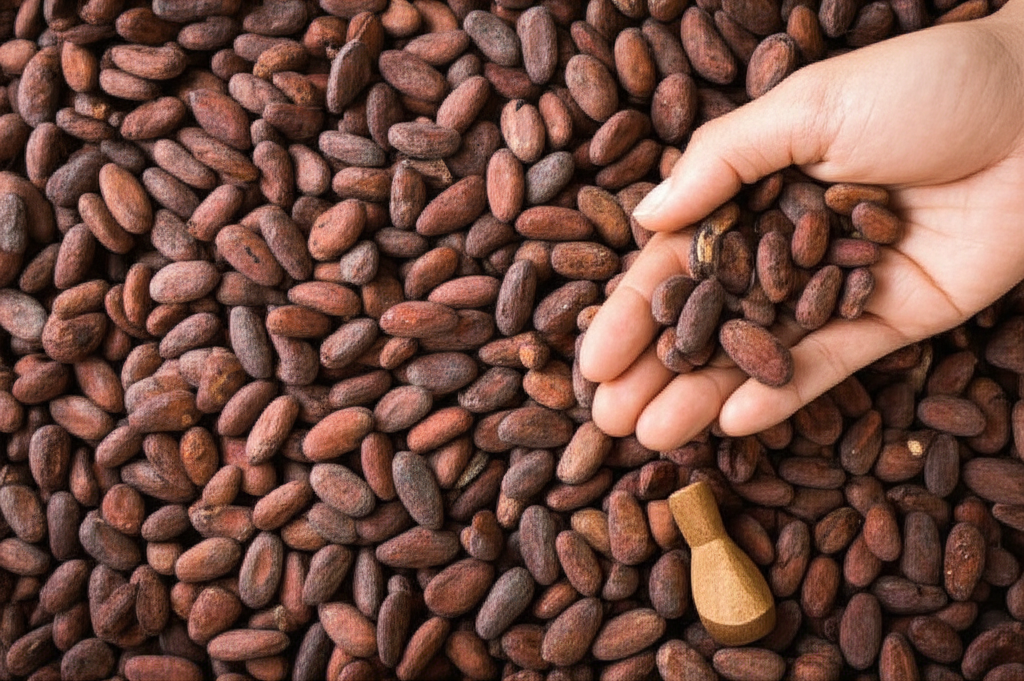
The cacao bean functioned as a cornerstone of the vast and intricate Aztec economy, serving not merely as a commodity but as a standardized unit of exchange. The efficacy of this Aztec currency depended upon rigorous state control over the distant tropical lowlands where the beans were cultivated. Through tribute demands imposed upon conquered territories, the Triple Alliance ensured a steady influx of cacao into the central markets of the empire, most notably Tlatelolco. This centralized supply management allowed for a relatively stable, albeit perishable, medium of exchange for daily transactions.
Merchants and commoners utilized cacao beans to acquire goods ranging from foodstuffs to small crafts. For instance, a turkey might be valued at 100 beans, while a single tamale could be purchased for one. This system, however, possessed inherent vulnerabilities. The beans were susceptible to spoilage, and counterfeiting—whereby empty husks were filled with dirt—was a documented concern for market officials.
To address the logistical limitations of a perishable currency for larger transactions, the Aztecs employed a dual system. For high-value exchanges, such as land or the services of skilled artisans, standardized lengths of cotton textiles (quachtli) served as a more durable and portable store of wealth. This sophisticated layering of currency demonstrates a pragmatic approach to economic management, where the cacao bean facilitated widespread market participation while more stable assets underpinned substantial investments and state finance.


