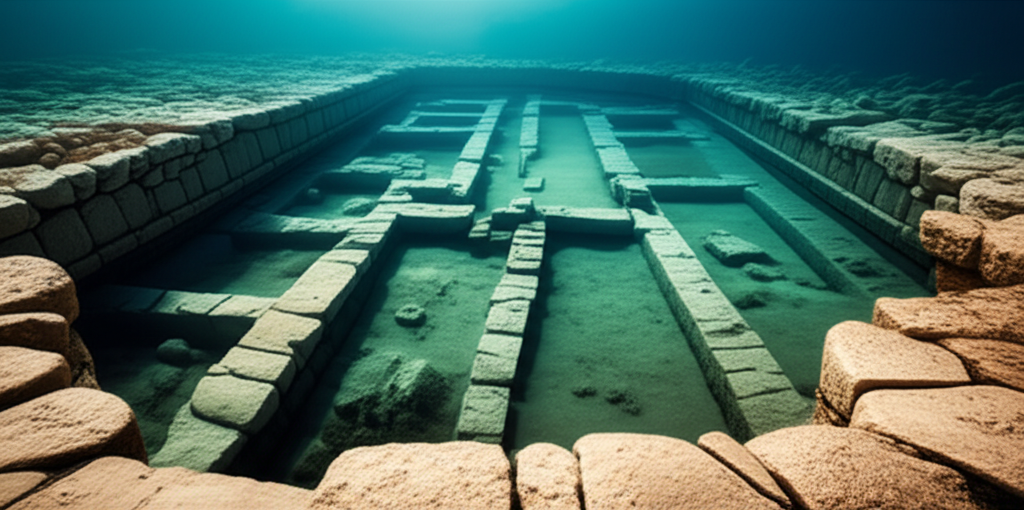
The submerged ruins of Pavlopetri offer a rare window into the advanced urban strategies of the early Bronze Age. Located off the coast of Laconia, the site remained undisturbed for millennia, preserving a layout that challenged previous assumptions about prehistoric settlement patterns. The city did not expand through organic, unmanaged growth; rather, it demonstrated a strict adherence to a pre-conceived grid plan, indicative of strong central governance.
Architectural analysis reveals that the builders employed locally sourced sandstone and limestone to erect substantial structures, many of which stood two stories tall. These buildings featured courtyards and up to twelve rooms, suggesting a society that valued privacy and domestic complexity. The placement of these structures along paved streets highlighted a disciplined approach to zoning, separating residential living spaces from industrial activities.
The most significant evidence of strategic optimization was the implementation of a sophisticated drainage system. Stone channels constructed beneath the street level effectively managed waste and water runoff, a necessity for maintaining hygiene in a dense population center. This focus on sanitation, combined with the city’s strategic orientation toward the harbor, allowed Pavlopetri to thrive as a major center for textile production and maritime trade. The rigorous planning involved in its construction underscores a high level of societal organization long before the height of Mycenaean power.