The illumination known as limelight emerged from the scientific fervor of the early nineteenth century, representing a significant leap in lighting technology. Discovered by Goldsworthy Gurney and later refined by Thomas Drummond, the method relied on a volatile chemical interaction rather than simple combustion. When a flame fed by oxygen and hydrogen was directed against a cylinder of quicklime, the material reached a state of intense incandescence. This reaction produced a brilliant, white radiance that far surpassed the dim, yellow flicker of traditional oil or gas lamps.
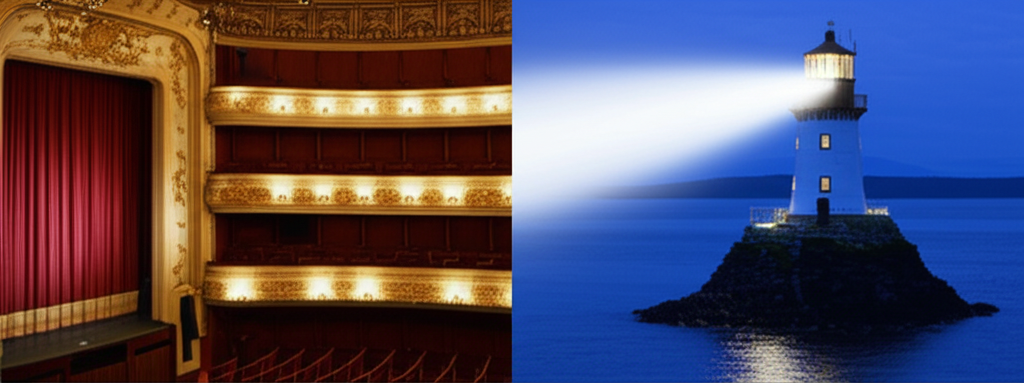
Initially, this intense luminosity found its strategic purpose in maritime safety. The Drummond Light, as it was often distinguished in engineering circles, revolutionized the optimization of lighthouse beacons. Surveyors and engineers recognized that the piercing white beam could cut through dense fog and darkness, offering a navigational advantage previously unattainable. This deployment was a calculated effort to extend the visual range of coastal warnings, vital for protecting increasing maritime trade routes.
By the mid-Victorian era, the technology migrated from the coast to the stage, fundamentally altering theatrical production. Directors utilized limelight to manipulate audience attention with unprecedented precision. Unlike the general wash of footlights, these focused beams allowed for the isolation of principal actors, creating a stark visual hierarchy against the rest of the set. This specific staging strategy gave rise to the enduring phrase “in the limelight,” as leading performers were bathed in the brightest illumination available.
Despite its effectiveness, the system required skilled operators to manage the dangerous gas mixtures. Eventually, the safer and more consistent electric arc lamp rendered limelight obsolete, closing a distinct chapter in the history of illumination.