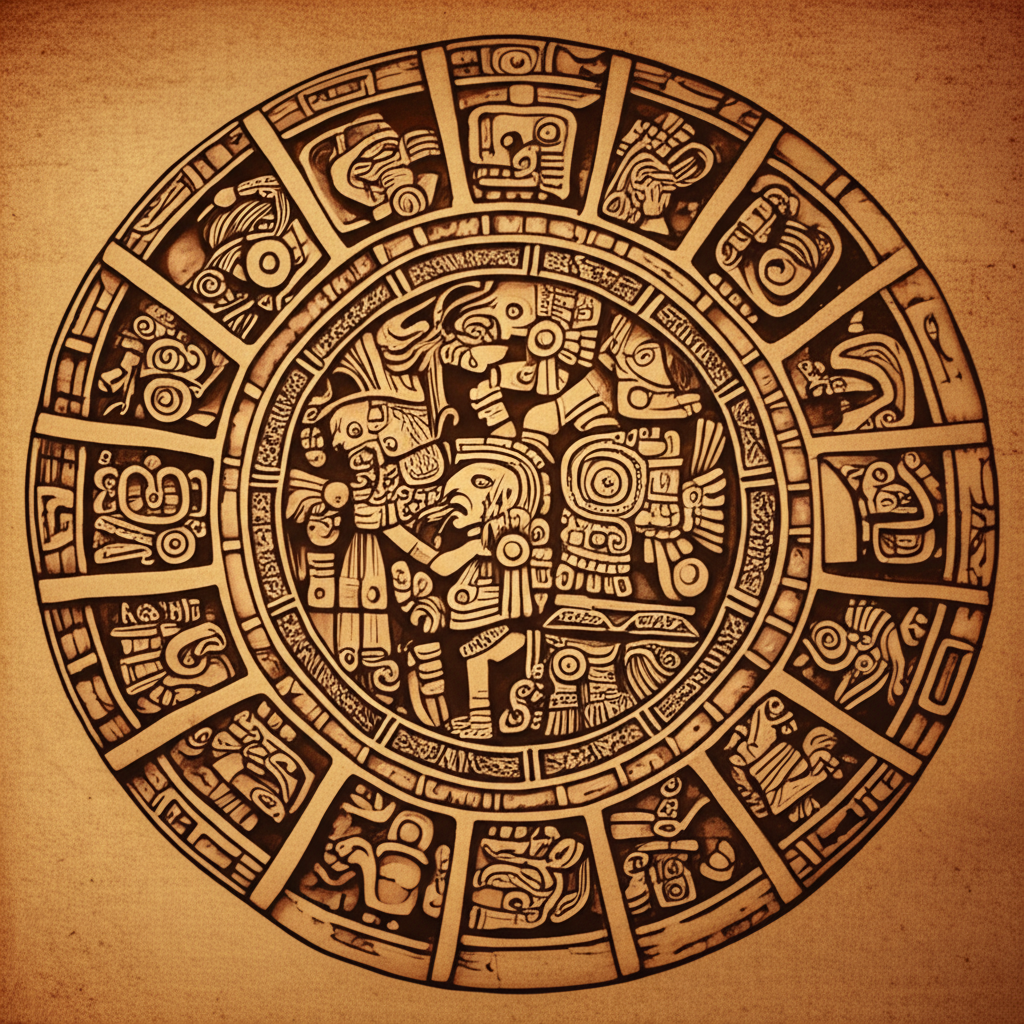
Within the complex machinery of the Aztec calendrical systems, the cyclical influence of the Lords of the Night proved paramount to the spiritual and temporal organization of Mesoamerican society. These nine deities, collectively known as the Yoaltecuhtli, governed a repeating nine-day sequence that operated independently of, yet synchronously with, the twenty day-signs and thirteen numerical coefficients of the sacred calendar. Historical analysis suggests that this specific cycle was likely synchronized with the synodic period of distinct celestial bodies or underworld layers, adding a vertical dimension to the linear passage of time.
The priests, or time-keepers, utilized this nine-day count not merely as a measure of duration, but as a critical strategic tool for divination. Each Lord possessed a distinct temperament—benevolent, malevolent, or ambivalent—which directly colored the fortune of the night over which they presided. For instance, a date might possess a favorable day-sign within the Tonalpohualli but fall under the auspices of a fearsome deity like Mictlantecuhtli, the Lord of the Underworld, thereby complicating the augury.
Consequently, the optimization of ritual life required a sophisticated cross-referencing of these varying cycles. The interaction between the nine Lords and the 260-day calendar created a rhythm where specific deities would align with specific dates only once every 260 days. This mathematical precision ensured that no moment was spiritually identical to another, forcing state leaders and commoners alike to consult the sacred books to navigate the hazards of the temporal world.