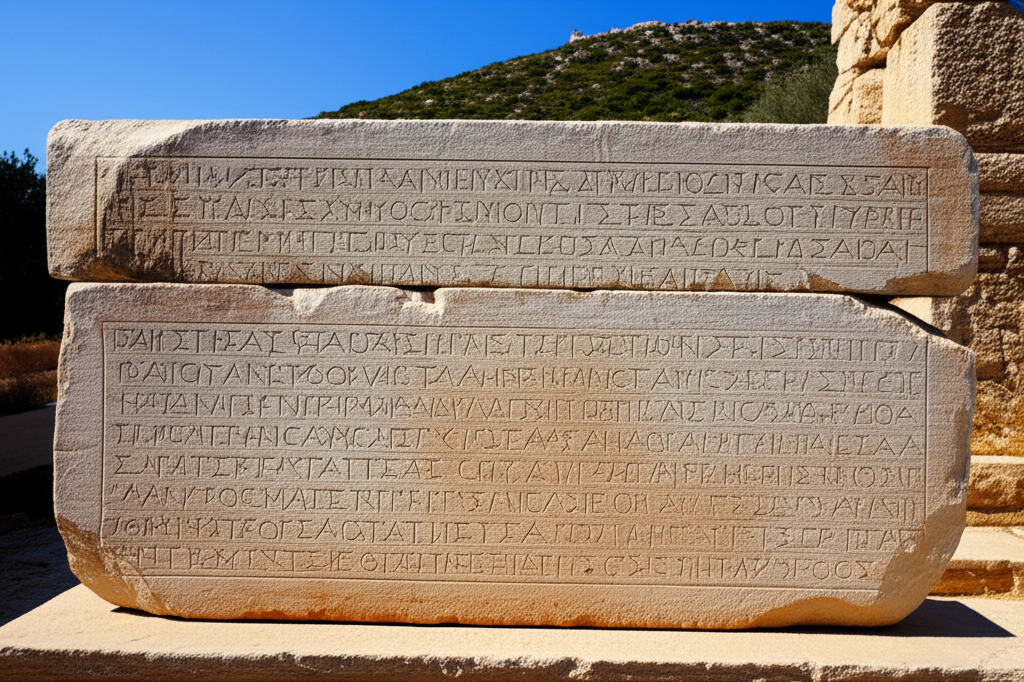
The discovery of the Great Inscription at Gortyn marked a pivotal moment in the historical understanding of Dorian Crete. Dating to the fifth century BCE, these massive limestone blocks provided a singular window into a society transitioning from tribal custom to codified statecraft. Unlike the fragmentary evidence recovered elsewhere in the Hellenic world, Gortyn offered a largely intact and comprehensive view of civil law during the Classical period.
The legislation prioritized the economic preservation of the oikos, or household estate, ensuring that property remained consolidated within the lineage. Detailed provisions governing the rights of the heiress (patroiokos) demonstrated a pragmatic approach to inheritance that balanced rigid family interests with individual agency. Notably, the code afforded women and even the unfree population distinct property rights and legal protections that were frequently absent in contemporary Athenian democracy.
Furthermore, the inscription signaled a strategic shift toward judicial procedure over arbitrary retribution. The statutes mandated that conflicts be resolved through the ruling of a judge rather than through private violence or pre-trial seizure. This codified reliance on witness testimony and sworn oaths represented a sophisticated optimization of civic order, successfully reducing the chaotic influence of archaic blood feuds.
Ultimately, the laws carved into the walls of the Odeon stood not merely as a list of rules, but as a monument to the evolution of Greek jurisprudence. They documented a deliberate, state-sponsored effort to regulate social hierarchy and ensure economic stability through the enduring power of the written word.