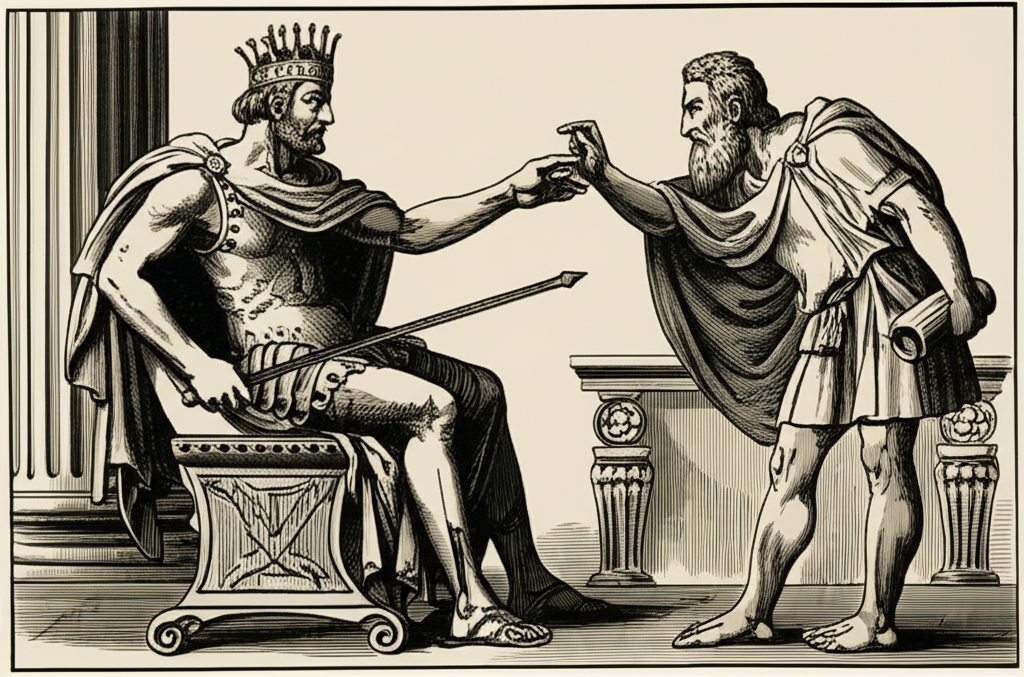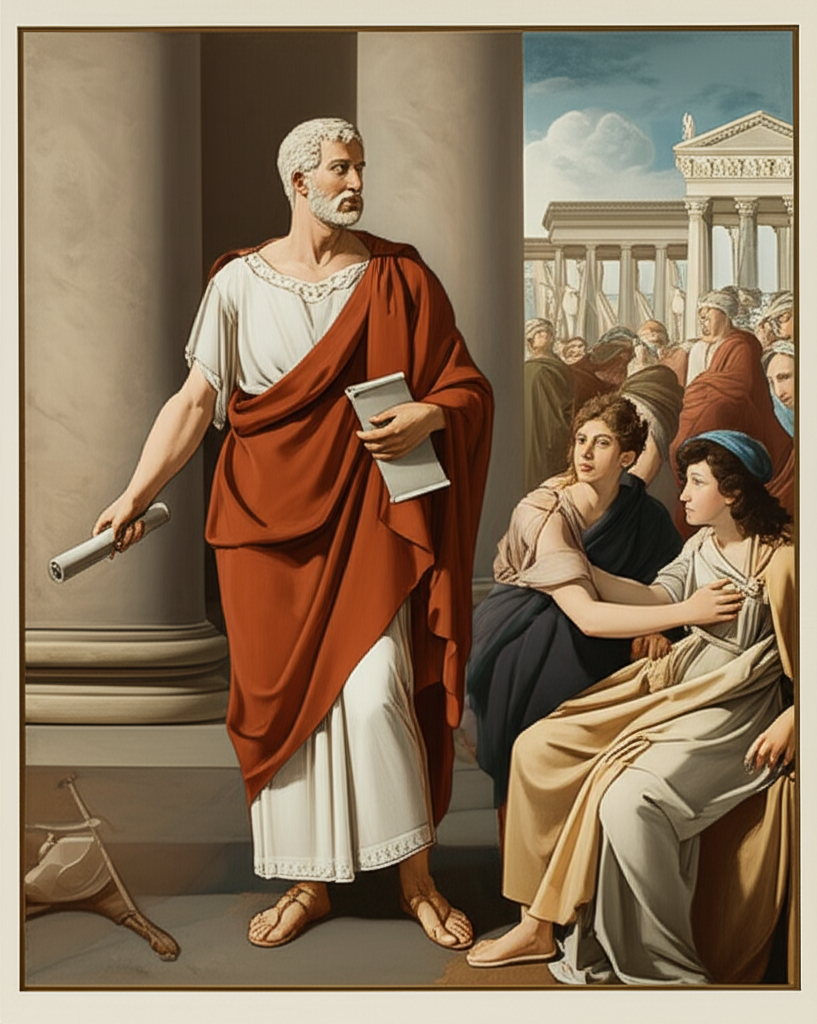
The office of the Roman Censor, established primarily for the enumeration of citizens and property, wielded a more profound power through the superintendence of public morality, the regimen morum. This function was not merely a passive observation but an active enforcement of traditional Roman values, aimed squarely at the Republic’s elite. Censors were the arbiters of character, tasked with ensuring the conduct of senators and equestrians aligned with the state’s expectations of virtue and discipline.
The primary instrument of this authority was the nota censoria, a public mark of disgrace attached to a citizen’s name during the census. This censure carried no formal legal penalty but inflicted severe social and political consequences, including potential expulsion from the Senate or removal from the equestrian order. The grounds for such a mark were broad, encompassing everything from personal extravagance and marital infidelity to the mismanagement of one’s estate. This power was a strategic tool to curb aristocratic excess and reinforce the collective integrity of the ruling class.
Ultimately, the censors’ moral jurisdiction was a mechanism to preserve the mos maiorum, the unwritten code of ancestral customs that formed the bedrock of Roman society. By holding the most powerful citizens to account for their private behavior, the censorship served as a powerful check against the perceived decay of traditional standards. It was an institutional assertion that personal virtue was inseparable from public service and essential for the continued stability of the Republic.