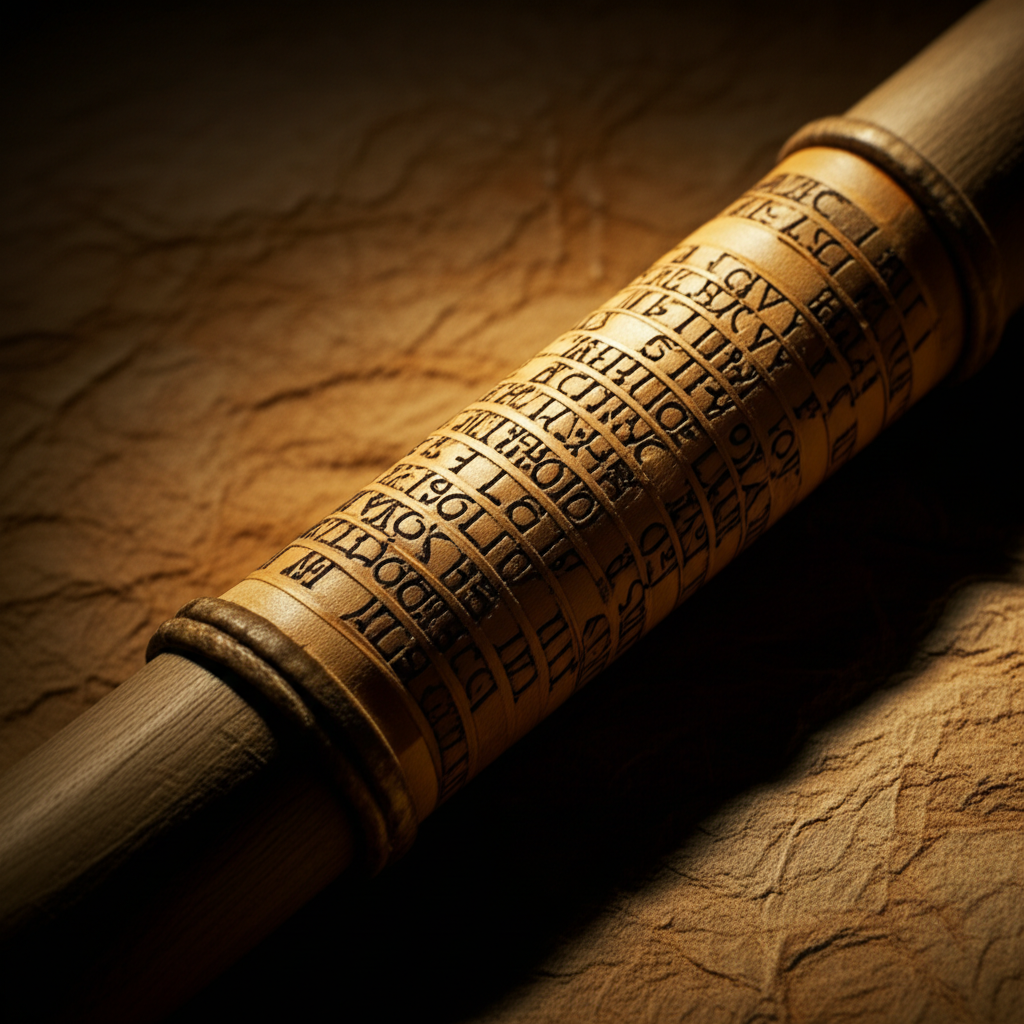
The command structure of the Spartan military relied heavily upon secure and efficient communication to coordinate its notoriously disciplined forces. Central to this strategic necessity was the Spartan Scytale, an early and notable instrument of transpositional cryptography. The system’s efficacy was predicated not on a complex algorithm, but on a physical key: a wooden baton of a precise, uniform diameter shared between the sender and the intended recipient.
To encrypt a dispatch, a narrow strip of leather or parchment was wrapped spirally around the scytale, and the message was inscribed horizontally along its length. When unwound, the strip displayed a seemingly random sequence of characters, rendering it unintelligible to any unauthorized observer. Only an individual possessing a scytale of the identical diameter could rewrap the strip correctly to reveal the original, coherent message. This provided a critical layer of battlefield security, safeguarding orders and intelligence from enemy interception.
Despite its ingenuity, the scytale’s cryptographic strength was inherently limited. The system’s primary vulnerability was the physical key; the capture or precise replication of a commander’s baton would compromise all subsequent communications. Furthermore, the cipher was susceptible to cryptanalysis. An astute adversary, understanding the method, could test various rod diameters to eventually decipher an intercepted message. Nevertheless, for its era, the scytale represented a pragmatic and effective solution for military encryption, prioritizing simplicity and speed for tactical field operations.