The Newport Rising of November 1839 stands as a definitive moment in the history of British labor and democratic reform, representing the zenith of “physical force” Chartism. While often remembered for its tragic conclusion, the event revealed a sophisticated level of organization among the working classes of South Wales. This was not a spontaneous riot, but a calculated military operation involving the coordination of thousands of men across difficult terrain.
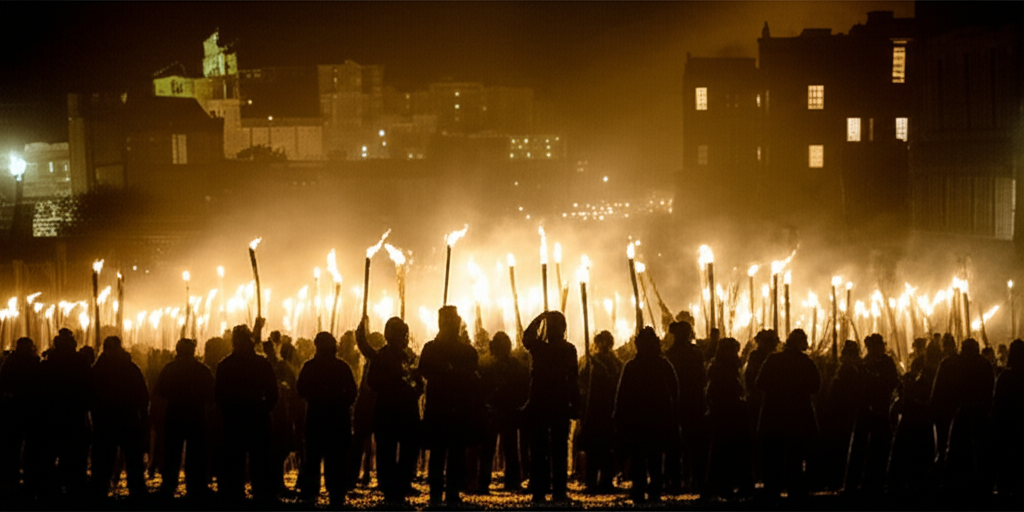
The strategic intent behind the rising was ambitious. Three distinct columns, commanded by John Frost, Zephaniah Williams, and William Jones, were designed to march from the valleys and converge simultaneously upon the town of Newport. The objective was to overwhelm local authorities through superior numbers and arguably trigger a national general strike in support of the People’s Charter. This plan demonstrated a clear understanding of logistical mobilization, utilizing the pre-existing structures of local lodges and unions to assemble a formidable force.
However, the execution of this strategy faltered due to environmental factors and communication breakdowns. torrential rain and the distinct varying marching speeds of the columns disrupted the timeline, eliminating the element of surprise. By the time the insurgents arrived at the Westgate Hotel, the authorities had already deployed the 45th Regiment of Foot. The disciplined fire of the professional soldiery quickly dispersed the wet and weary marchers, exposing the limitations of irregular forces against trained infantry in a confined urban engagement.
Despite the military failure, the rising forced a permanent shift in the relationship between the state and the populace. The subsequent treason trials and the commutation of death sentences to transportation reflected a government wary of creating martyrs. The event underscored that the demand for suffrage could command an army, ensuring that political reform remained a paramount issue for the remainder of the century.