
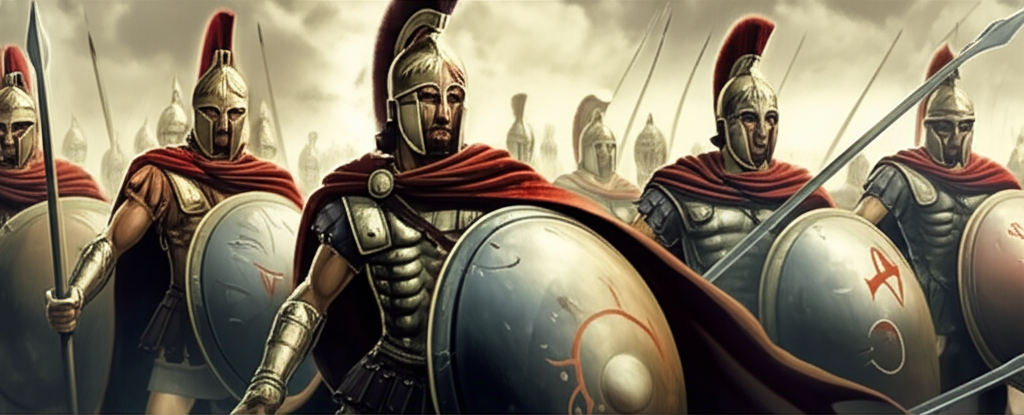
The structural integrity of the Macedonian Phalanx depended heavily upon the flexibility of its supporting units. Among these, the Hypaspists served as the essential tactical hinge, bridging the perilous gap between the unwieldy infantry center and the mobile strike force of the Companion Cavalry. While the heavy infantry pinned the enemy with the Sarissa, these elite shield-bearers provided the agility required to exploit gaps created by the cavalry’s charge.
Unlike the standard foot companions, the Hypaspist corps was equipped for rapid maneuvering rather than static endurance. Their armament—likely a shorter spear and a larger shield—allowed them to execute complex evolutions that the dense phalanx could not attempt. This versatility proved decisive during forced marches and siege operations, such as the assault on Tyre, where speed and close-quarters prowess superseded the need for a rigid formation. They acted not merely as bodyguards, but as a special operations force capable of securing difficult terrain before the main army arrived.
On the battlefield, their placement on the prestigious right flank signified their elevated status. They protected the vulnerable side of the phalanx while maintaining pace with the charging horsemen, ensuring the army’s line did not fracture during the decisive moment of engagement. As the campaigns in Asia progressed, veterans of this unit evolved into the famed Argyraspides, or “Silver Shields,” cementing their reputation as the most lethal infantry force of the era.


