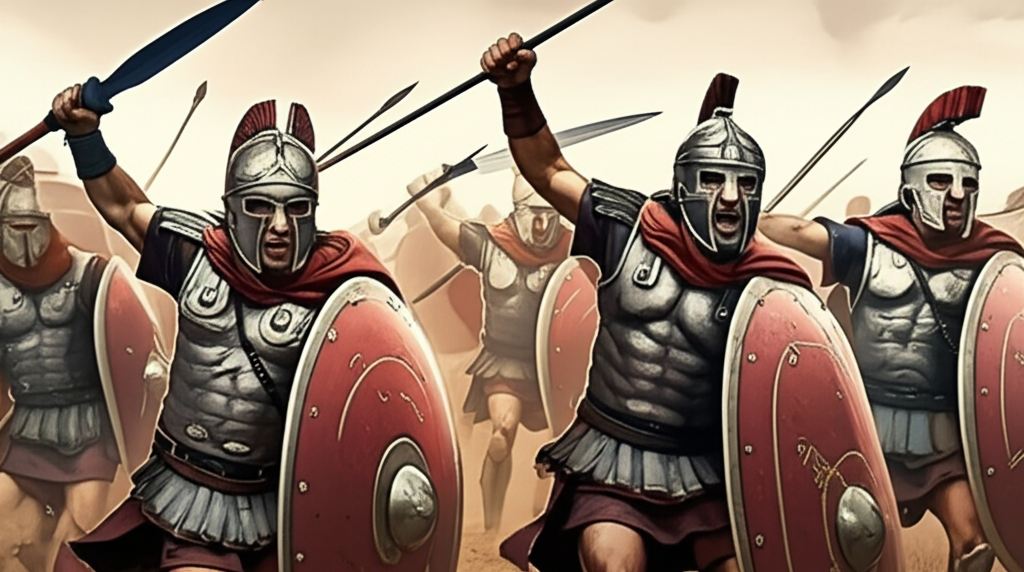
The strategic genius of the Macedonian army lay not merely in the weight of its pike formations, but in the flexible joints that connected its disparate parts. Foremost among these were the Hypaspists, or Shield Bearers, an elite infantry corps selected for their physical endurance and tactical discipline. Their deployment addressed a fatal structural flaw inherent to heavy infantry warfare: the rigidity of the line.
While the massive Phalanx served as the anvil to pin the enemy front, Alexander’s doctrine required the Companion Cavalry to act as the hammer on the right wing. This aggressive advance naturally created a dangerous fissure between the slow-moving pikemen and the charging horsemen. The Hypaspists were tasked with occupying this precise point of friction. They acted as a flexible hinge, extending their lines to maintain contact with the cavalry while simultaneously protecting the unshielded right side of the Phalanx from encirclement.
To achieve this optimization, the corps utilized equipment that balanced protection with mobility. Abandoning the cumbersome sarissa for shorter spears and large shields, they possessed the agility to fight on rough terrain or storm fortifications where the heavy infantry could not operate.
Their utility extended beyond the pitched battlefield into the realm of special operations and siege warfare.
They led rapid forced marches to seize key strategic points before the enemy could react.
They acted as shock troops during assaults on fortified positions, such as the siege of Tyre.
Ultimately, the Hypaspists were the essential mechanism that allowed Alexander to translate the raw power of the Macedonian formation into fluid, decisive victories.