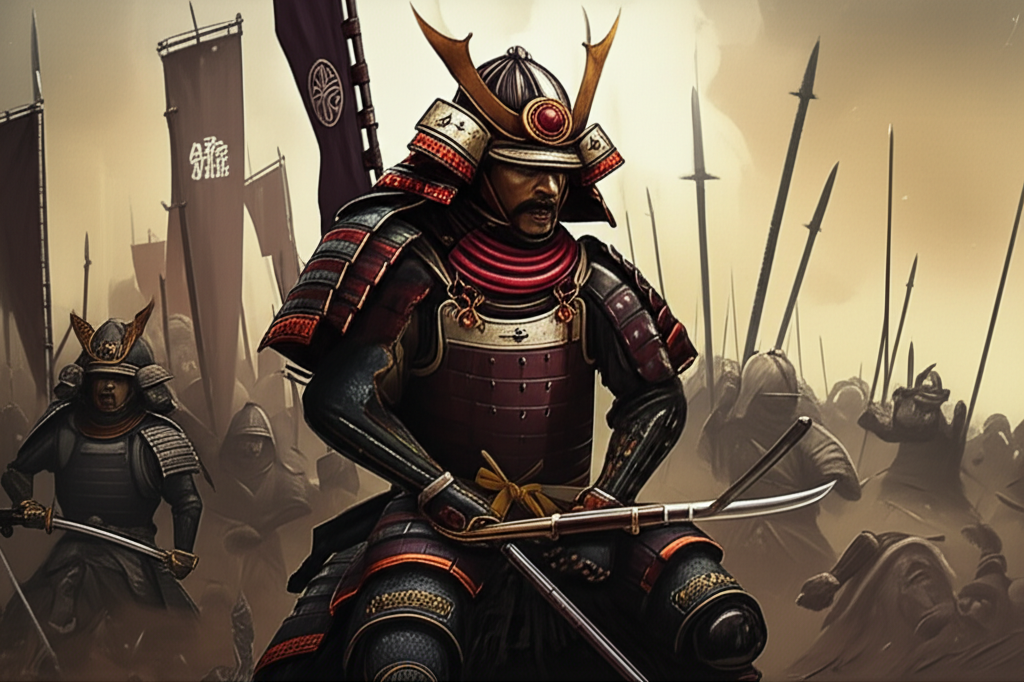
The military landscape of the Sengoku Jidai was irrevocably altered not by the blade of the elite samurai, but by the mass mobilization of the ashigaru. Initially conscripted from the peasantry as temporary levies, these foot soldiers evolved into the backbone of feudal Japan’s most formidable armies. Their rise necessitated a departure from the ritualized individual combat of earlier eras, favoring instead the collective efficacy of the phalanx and the maneuverability of large infantry blocks.
Commanders recognized that the optimization of these units lay in rigid discipline and equipment standardization. The widespread adoption of the yari allowed ashigaru to form impenetrable walls of pikes, effectively negating the shock charges of heavy cavalry. Rather than relying on individual martial prowess, success depended upon the cohesive strength of the formation.
Furthermore, the introduction of the tanegashima matchlock musket in the mid-16th century revolutionized infantry tactics. Under the strategic vision of leaders like Oda Nobunaga, ashigaru were drilled in rotating volley fire, transforming them from mere support troops into the primary dealers of death on the battlefield. This integration of gunpowder weaponry required a logistical overhaul, prioritizing the continuous supply of powder and shot over the maintenance of expensive armor.
This professionalization signaled a deeper societal and strategic shift. No longer mere cannon fodder, seasoned ashigaru became a standing military force, eventually detached from the agricultural cycle. The daimyo who successfully separated the warrior from the farmer, ensuring a year-round campaigning capability, ultimately secured dominion over the archipelago.