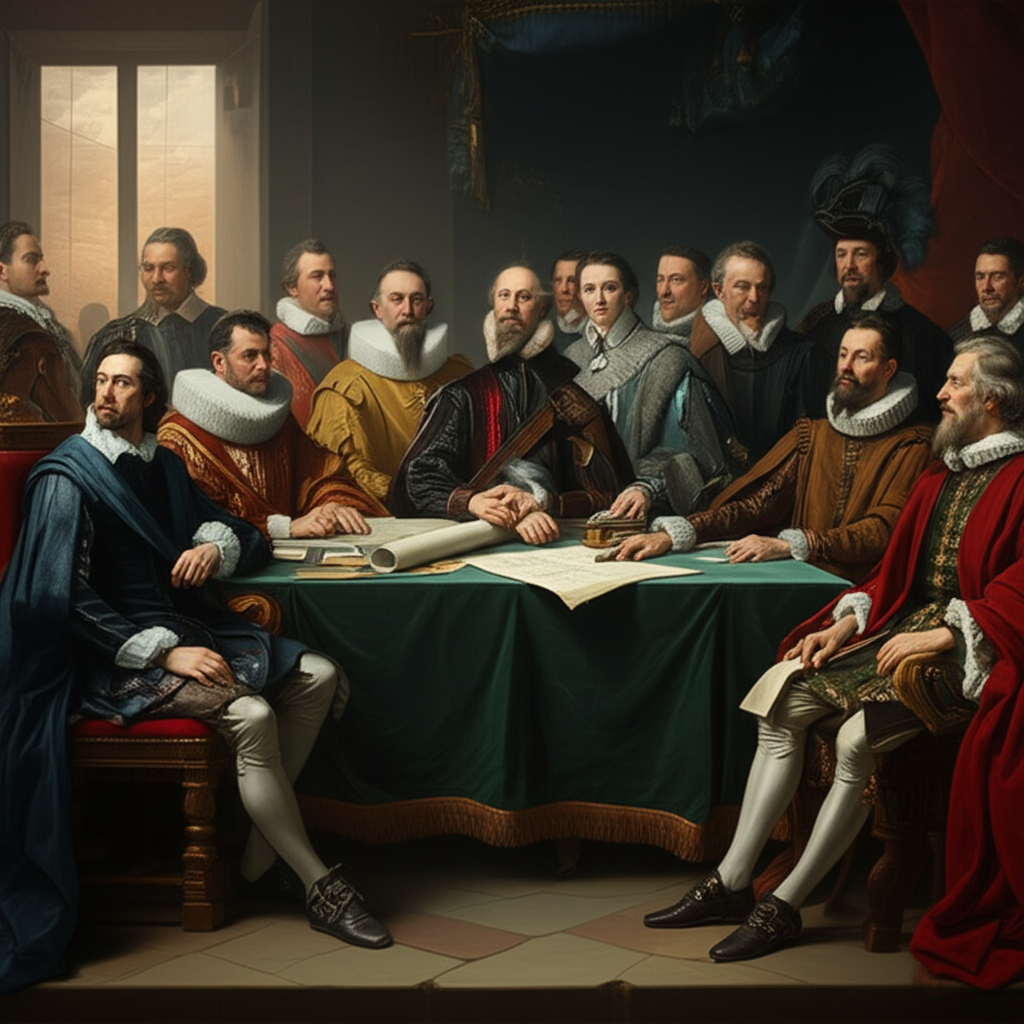
On the morning of September 1, 1859, the British astronomer Richard Carrington observed two patches of intensely bright white light erupting from a large group of sunspots. This observation marked the onset of the most potent geomagnetic storm in recorded history, a phenomenon that would irrevocably alter the scientific understanding of solar-terrestrial relations. The solar storm released a coronal mass ejection that traversed the distance to Earth in a mere seventeen hours, a speed that indicated an unprecedented kinetic energy.
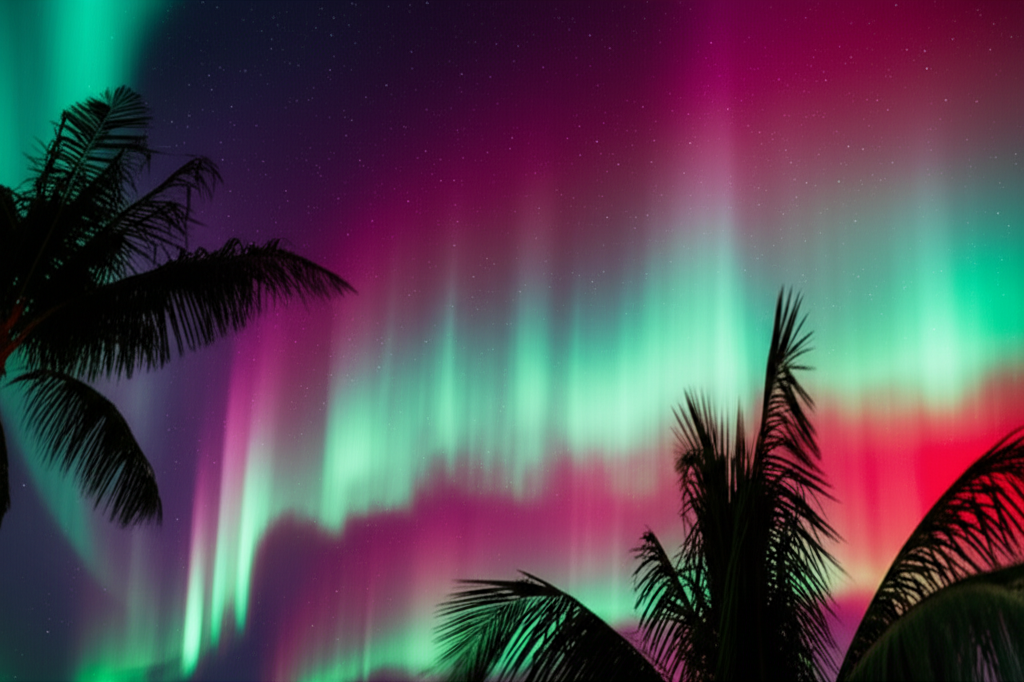
In the nights that followed, the planetary magnetosphere buckled under the assault of the solar wind. The resulting Aurora Borealis descended far beyond its customary polar confines, illuminating skies in latitudes previously thought immune to such displays. Documentation from the era confirmed sightings in the tropics, with vivid red and green tapestries observed over Cuba, the Bahamas, and Hawaii. The luminescence was so brilliant that laborers in the northeastern United States reportedly awoke to begin their daily duties, deceived by a false dawn that eclipsed the brightness of the full moon.
The event exposed the distinct vulnerabilities of the nascent global communications infrastructure. The Victorian Internet, comprised of extensive telegraph networks, suffered catastrophic failures as the atmosphere became electrically charged. Operators reported sparks raining from equipment, and in some instances, telegraph papers caught fire due to the surges. Remarkably, the geomagnetically induced currents were so powerful that some operators found they could disconnect their battery power supplies and transmit messages solely using the atmospheric electricity surging through the lines. This event served as a stark historical precedent, illustrating the intricate and occasionally volatile connection between solar magnetic activity and Earth’s technological systems.