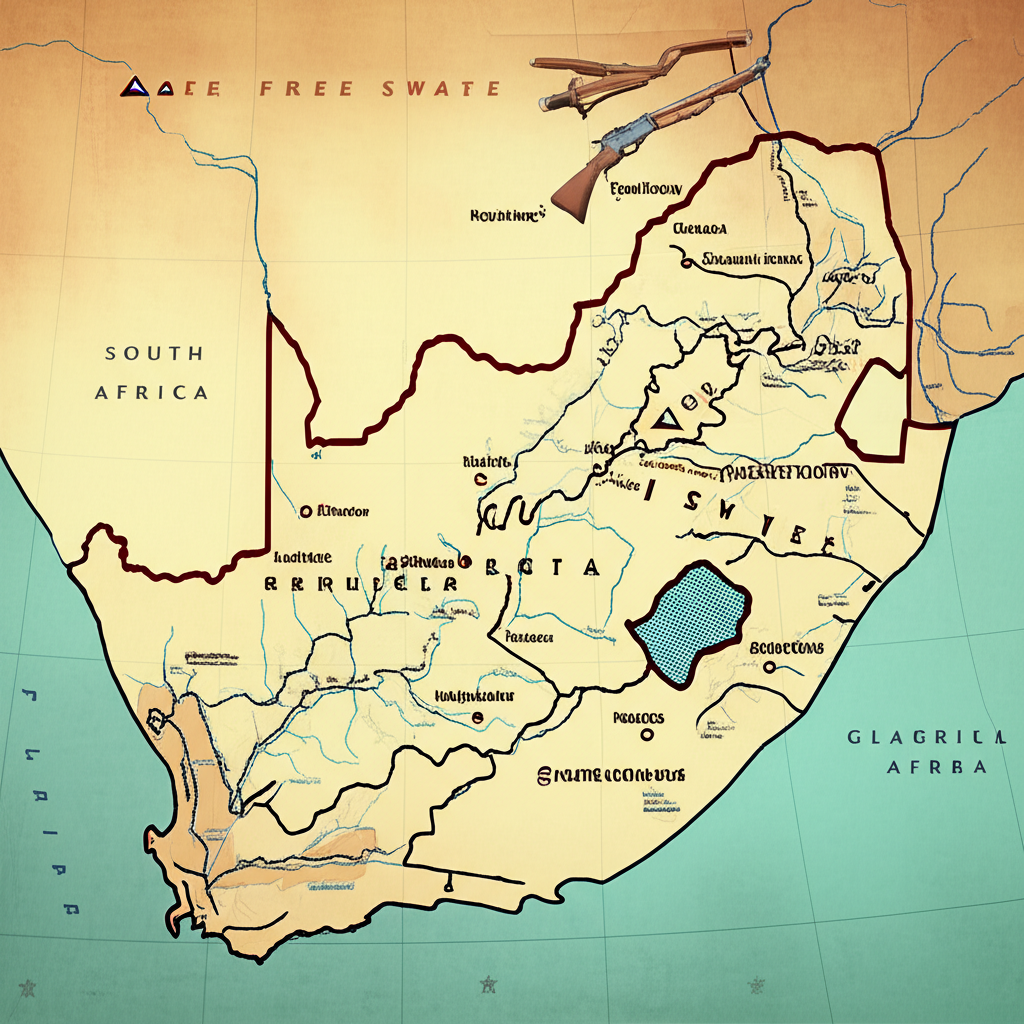
The transition of the Second Boer War from set-piece battles to prolonged insurgency fundamentally altered military doctrine regarding irregular combat. Following the capture of Pretoria in 1900, the British high command prematurely declared victory, failing to anticipate the strategic pivot executed by the Boer leadership. Rather than capitulating, the Boers dissolved their large formations into smaller, highly mobile Commandos, leveraging intimate knowledge of the veld to harass superior Imperial forces.
This phase of the conflict demonstrated the efficacy of asymmetric attrition. The Boer forces, utilizing smokeless powder and the range of the Mauser rifle, maximized the utility of mounted infantry. They targeted supply lines and isolated garrisons, rendering traditional British columns sluggish and ineffective. The success of these hit-and-run tactics forced the British Empire to abandon conventional maneuvering in favor of a systematic counter-insurgency approach.
Lord Kitchener’s response was ruthless and industrial in scale. To restrict Boer mobility, the British constructed a vast network of fortified structures known as the Blockhouse System, connected by barbed wire to compartmentalize the landscape. Simultaneously, the implementation of a Scorched Earth policy destroyed the agricultural base required to sustain the guerrilla fighters. While these measures eventually compelled the Boers to the negotiating table, the conflict established a grim precedent for 20th-century warfare, proving that technological superiority guaranteed neither swift victory nor political stability against a determined, indigenous resistance.