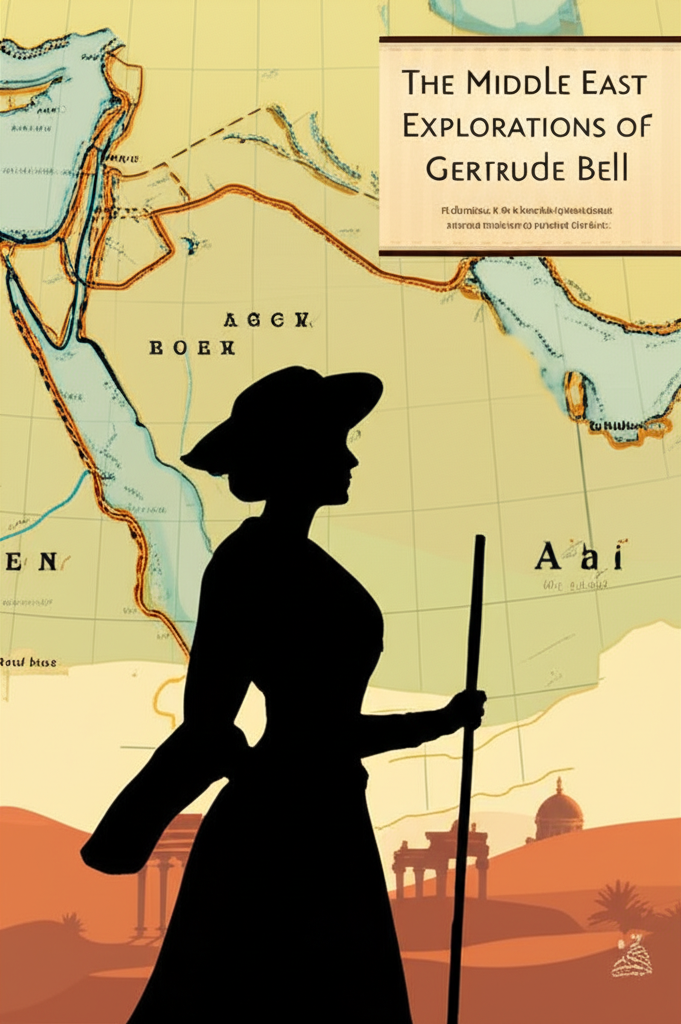
The expeditions undertaken by Gertrude Bell across the Arabian Peninsula were far more than scholarly travels; they served as calculated exercises in geopolitical intelligence. By mastering the dialects and customs of the Bedouin, Bell transcended the diplomatic limitations often faced by her contemporaries. Her primary instrument was direct engagement with tribal leadership, a tactic that allowed her to map not only the physical geography of the Syrian Desert but also the shifting allegiances of its inhabitants. This data proved instrumental during the disintegration of the Ottoman Empire, as she provided the British administration with a nuanced understanding of the region’s complex social fabric that military reports failed to capture.
Her strategic value culminated in the aftermath of World War I, specifically concerning the state formation of Iraq. Bell advocated for a governance model that relied on established Hashemite authority rather than direct colonial rule, arguing that local legitimacy was essential for long-term order. At the pivotal Cairo Conference of 1921, her profound knowledge of local lineage and factional rivalries guided the installation of Faisal I. This decision was a deliberate attempt to optimize regional stability by aligning British imperial objectives with perceived Arab nationalism, effectively bridging the gap between foreign policy and local reality.
Bell’s methodology demonstrated that effective diplomacy required deep immersion rather than distant observation. She acted as a critical connector between the desert tribes and the administrative halls of Baghdad. While historians continue to analyze the long-term consequences of the borders she helped define, her approach to intelligence gathering remains a definitive study in leveraging cultural insight for political maneuvering.