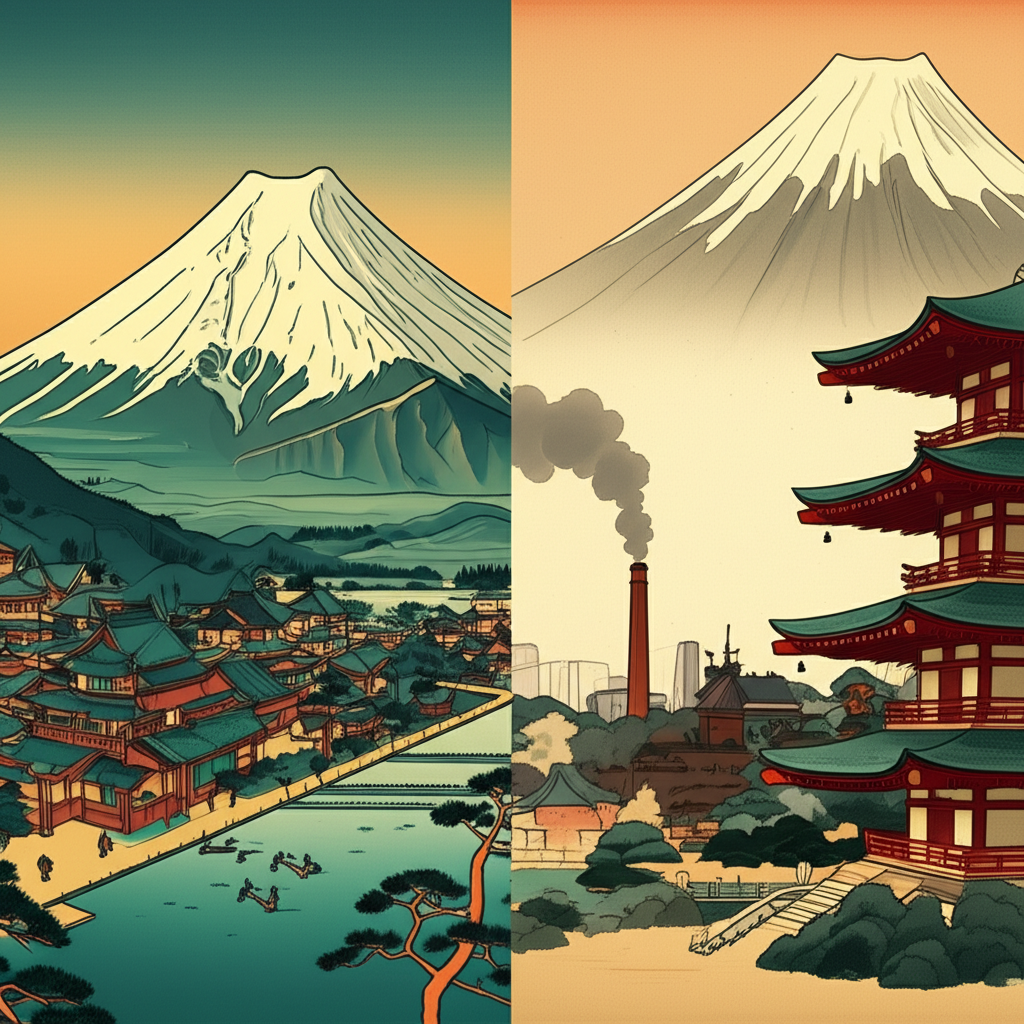
The Meiji Restoration of 1868 marked a pivotal turning point, initiating a period of profound and rapid transformation that propelled Japan from feudal isolation to global prominence. The new leadership, composed largely of former samurai from the outer domains, understood that national sovereignty in the age of Western imperialism depended upon swift and comprehensive modernization. Their strategy was not one of simple imitation but of calculated adoption, blending Western technological and institutional models with a reinforced Japanese cultural identity centered upon the emperor.
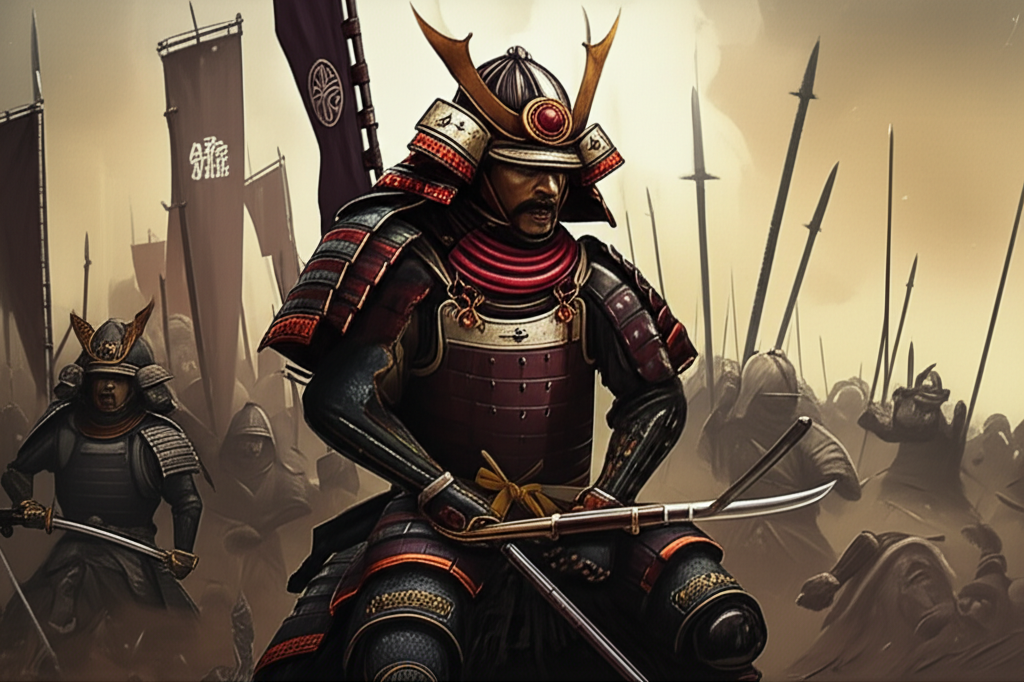
This ambitious national project was guided by the slogan Fukoku kyōhei (“Enrich the country, strengthen the military”). The government spearheaded industrialization by building modern infrastructure, including railways and telegraph lines, and establishing state-owned enterprises that were later privatized, forming the basis of the powerful zaibatsu conglomerates. The abolition of the feudal domains and the samurai class in favor of a centralized bureaucracy and a conscript army modeled on European systems fundamentally restructured Japanese society.
This controlled revolution from above was remarkably effective. By selectively integrating Western advancements in science, governance, and military organization while cultivating a strong sense of national unity, the Meiji oligarchs laid the foundation for Japan’s emergence as a major industrial and military power by the early twentieth century. The period stands as a historical testament to strategic, state-led development under immense external pressure.