The closure of the original Lascaux cave to the public in 1963 marked a pivotal moment in the history of archaeological preservation. The delicate balance of the cave’s atmosphere, which had protected the prehistoric cave art for millennia, was severely disrupted by the carbon dioxide and humidity introduced by thousands of visitors. This necessary act of conservation created a significant cultural dilemma: how to share a masterpiece of human heritage without contributing to its destruction.
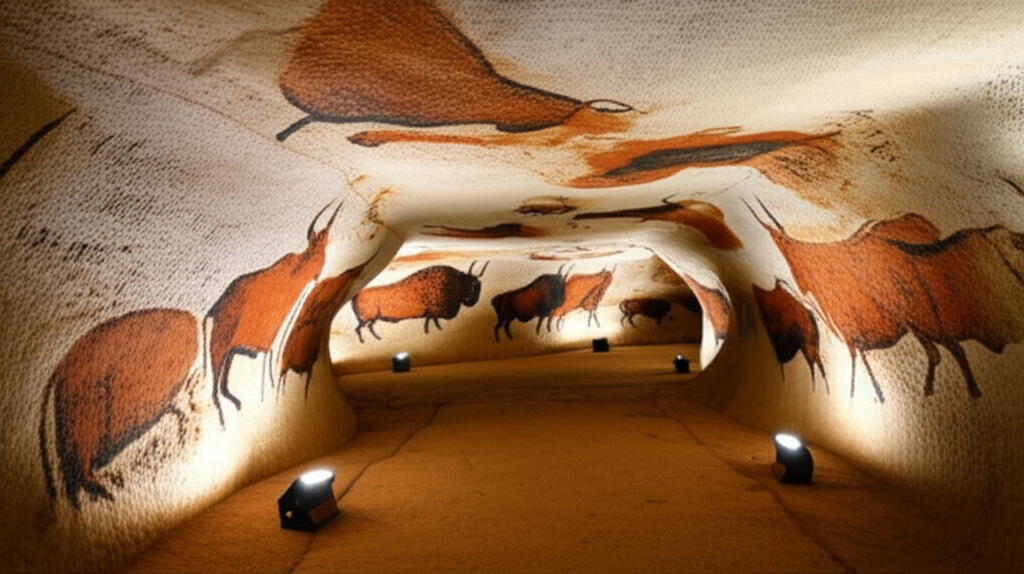
The strategic response was the conception and construction of Lascaux II, a meticulous facsimile of the cave’s most celebrated chambers, the Great Hall of the Bulls and the Painted Gallery. The project, which opened to the public in 1983, was not merely a reproduction but a sophisticated exercise in historical and scientific reconstruction. The objective was to replicate the visitor’s experience with the highest possible fidelity, thereby maintaining the site’s cultural and educational value.
To achieve this, artisans employed a multi-stage process. First, a concrete shell was built that precisely mimicked the topography and texture of the original cave walls. Upon this canvas, artists painstakingly reproduced the paintings using natural pigments and techniques believed to mirror those of the Paleolithic creators. This approach optimized for authenticity, ensuring that the replica served not only as a tourist destination but as a durable and accurate record of one of humanity’s greatest artistic achievements.