
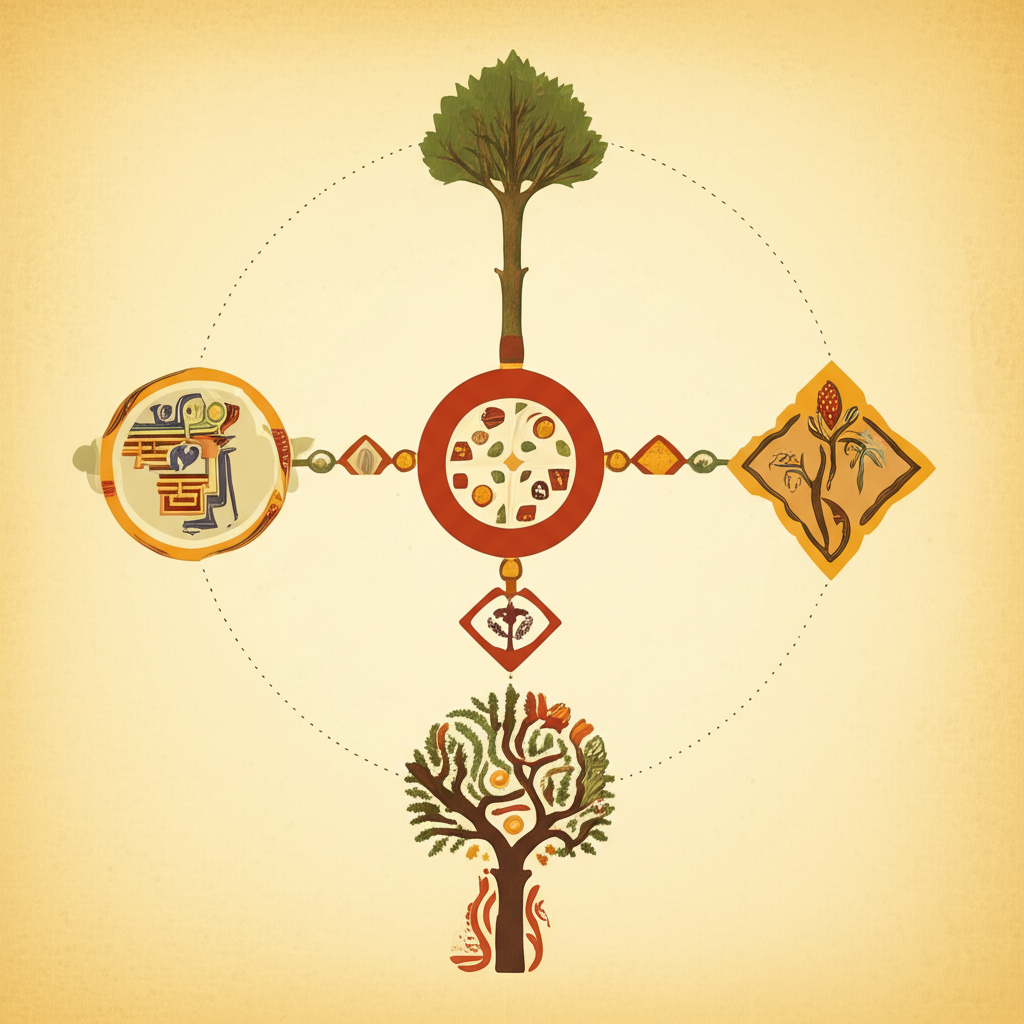
The internal cohesion of the Haudenosaunee, or Iroquois Confederacy, relied upon a sophisticated social architecture that prioritized stability and collective governance. Central to this organization was a Matrilineal kinship system, where lineage, inheritance, and social identity descended exclusively through the female line. This structure served as a strategic stabilizer, ensuring that the Longhouse—the physical and symbolic center of society—remained under the stewardship of women, thereby separating military aggression from domestic administration.
The efficacy of this system was most evident in the distribution of political power. Clan Mothers, the eldest matriarchs of each lineage, possessed the absolute authority to nominate and depose the Royaneh, or male chiefs. This dynamic established a rigorous optimization of leadership; chiefs served at the pleasure of the matriarchy and were evaluated based on their adherence to the Great Law of Peace rather than military prowess alone. Consequently, this arrangement created a durable system of checks and balances that prevented the rise of autocracy.
Furthermore, the clan system functioned as a mechanism for inter-tribal diplomacy. Clans were pan-national; a member of the Bear Clan within the Mohawk nation recognized an immediate familial bond with a Bear Clan member among the Seneca. This cross-cutting allegiance mitigated the risk of internal warfare, as conflict between nations would necessitate conflict between kin. Through the strategic use of Adoption, the Confederacy also optimized its population levels, integrating captives to replace lost family members and maintaining the demographic vitality required to sustain their geopolitical dominance.


