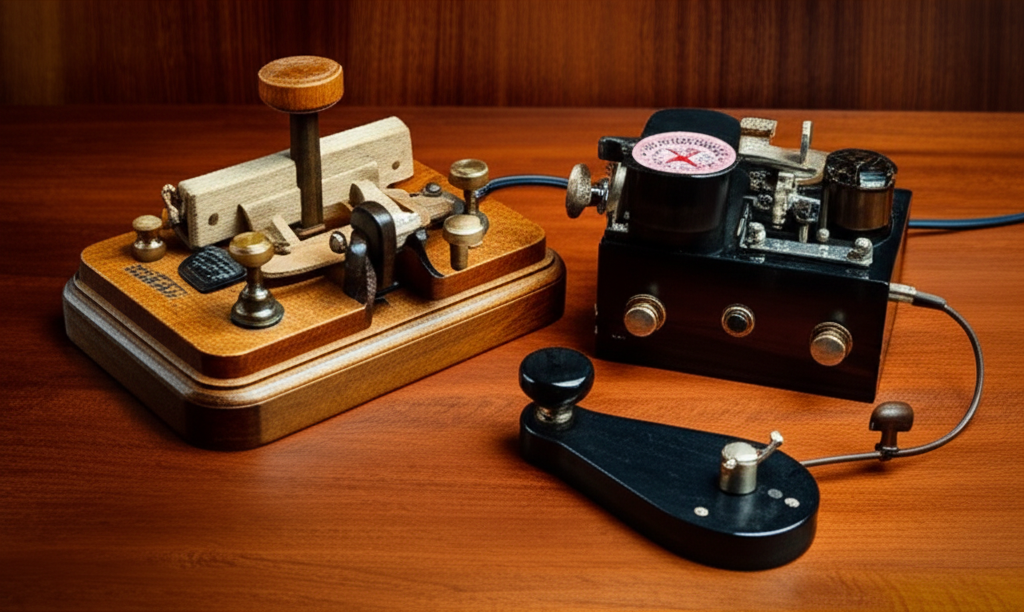
The genesis of the electromagnetic telegraph marked a definitive departure from physical signaling methods, shifting the paradigm of long-distance correspondence. While Samuel Morse provided the initial vision, the technical refinement of the system relied heavily on the mechanical ingenuity of Alfred Vail. Their collaboration aimed to translate human language into electrical current, a task that required significant strategic optimization to function effectively over copper wires.
Early iterations of the device attempted to encode entire words using a complex numerical dictionary, a method that proved technically cumbersome and slow. The strategic breakthrough arrived with the adoption of a binary system comprising short and long signals, eventually designated as dots and dashes. This variable-length coding system was strictly designed for efficiency; common letters were assigned shorter sequences to minimize transmission time and reduce the energy required for operation. This logical restructuring transformed the telegraph from a scientific novelty into a practical instrument of commerce.
On May 24, 1844, the efficacy of this system faced its ultimate trial. Connected by an experimental line stretching from the Supreme Court chamber in Washington, D.C., to a railroad depot in Baltimore, Morse transmitted a sequence chosen from the Book of Numbers. The phrase, “What hath God wrought,” was received instantly by Vail, confirming the successful conquest of distance. This event did not merely demonstrate a machine; it established a new era of instantaneous connectivity, proving that information could travel independently of the messenger.